Summer parties are coming. Here's how to know if your pool is actually ready — and what to do if it isn't.
Share:
Summary:
Summer in Broward County doesn’t sneak up on you. One week it’s a pleasant March evening, and the next you’re fielding texts about Memorial Day plans and whether the pool is ready. For most homeowners, the honest answer is “I’m not sure.” The water looks okay. The pump is running. But there’s that one thing you’ve been meaning to look into.
This guide is for you. We’ll walk through the most common warning signs that your pool needs attention before the season kicks off, what those issues typically cost to fix, and what to look for when hiring someone to handle it — all specific to what Broward County pools actually deal with.
Most pool problems don’t announce themselves loudly. They start as small, easy-to-ignore things — a slight drop in water level, a pump that sounds just a little different than it used to, tiles that look like they’ve shifted. In South Florida’s heat and humidity, those small things have a way of becoming expensive ones fast.
The good news is that most repairs caught early are straightforward. A failing pump seal, a minor leak at the skimmer, a surface crack that hasn’t spread — these are manageable. The same problems left alone for a season are a different story. Knowing what to look for is half the battle.
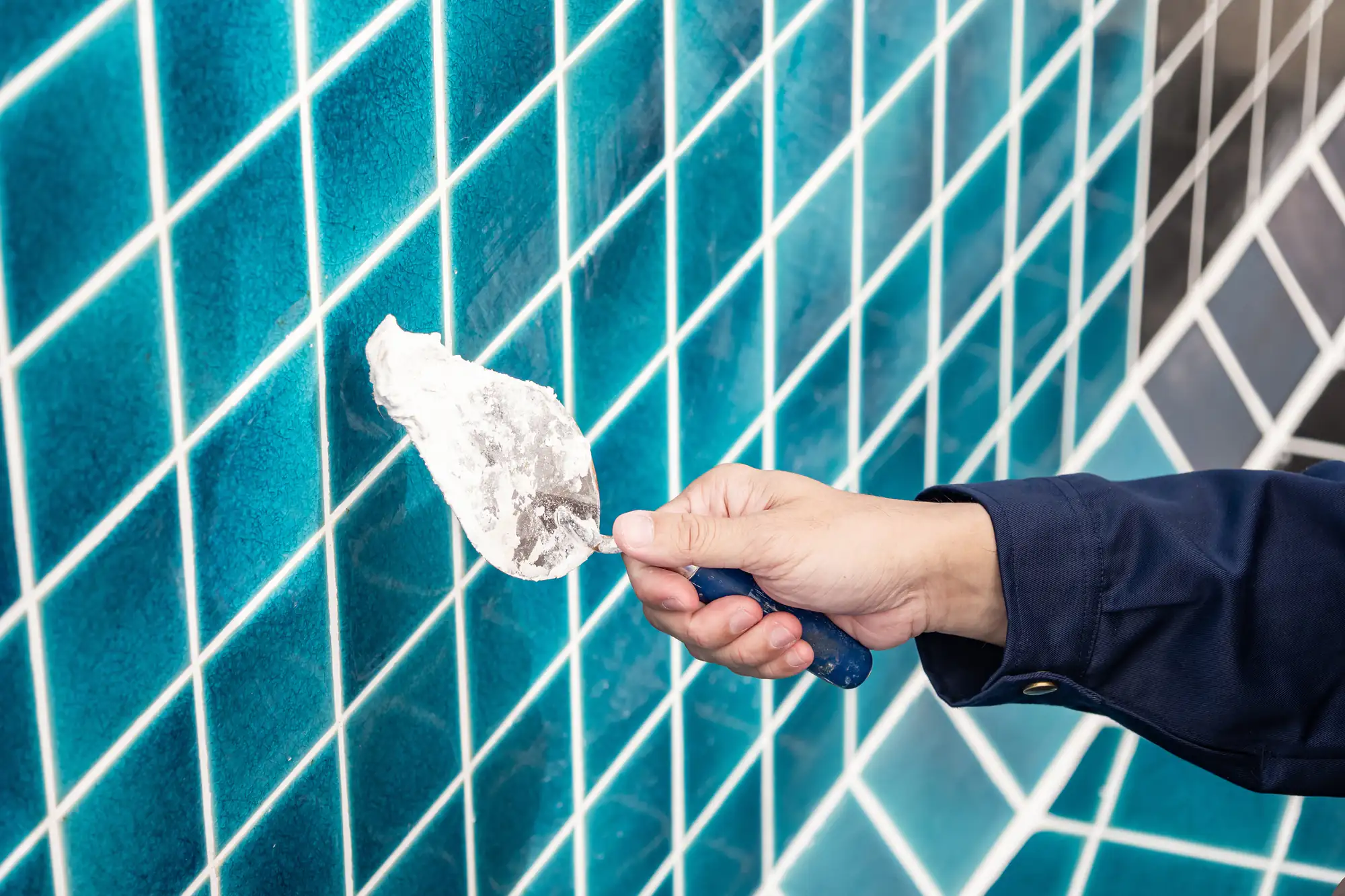
This is one of the most common questions we hear from Broward County homeowners, and it makes sense — because pools here do lose water naturally. Evaporation in South Florida’s heat can take one to two inches off your water level every week. That’s normal. What isn’t normal is losing more than that consistently, especially when the pool hasn’t been used heavily.
A simple way to check is the bucket test. Fill a bucket with pool water, set it on one of the steps so it’s partially submerged, and mark the water line inside and outside the bucket. Check it after 24 hours. If the pool has lost noticeably more water than the bucket, you likely have a leak — not just evaporation.
Where leaks show up varies. Skimmer leaks are among the most common, and they’re usually inexpensive to fix — often $100 to $130 when caught early. Underground plumbing leaks are more involved. Structural cracks in the pool shell are another source, and in Broward County specifically, the sandy, shifting soil that runs through communities like Plantation, Davie, and Lauderhill puts older pools at higher risk for that kind of stress over time.
The bigger concern with any leak isn’t just water loss — it’s what the escaping water does to the surrounding ground. Persistent leaks erode soil, destabilize the pool structure, and can damage underground plumbing in ways that become significantly more expensive to address the longer they go unresolved. If you’ve noticed your water level dropping faster than usual heading into summer, it’s worth having someone take a proper look before you fill the yard with guests.
Your pump is the engine of your pool. When it’s working right, you barely notice it. When something’s off, it tends to let you know — usually through sound. A grinding noise typically points to a worn bearing. A high-pitched whine or screeching often means the motor is struggling. A humming pump that isn’t actually moving water is a different problem — usually a clogged impeller or a capacitor that’s failing.
None of these are sounds you want to ignore heading into summer, and here’s why: pool pumps in Broward County run year-round. Unlike pools in seasonal markets that sit idle for months, your equipment accumulates wear continuously. A pump that might last 10 to 12 years in a northern climate often shows stress earlier here because of the constant runtime, the UV exposure, and — for anyone in coastal communities like Fort Lauderdale Beach, Lauderdale-by-the-Sea, or Deerfield Beach — the salt air that accelerates corrosion on metal components.
Pool pump repair costs vary depending on what’s actually failing. Replacing a seal or a capacitor is a relatively minor repair. A full motor replacement runs roughly $250 to $650 in parts and labor. A complete pump replacement is at the higher end of that range. The point isn’t to alarm you — it’s to make clear that catching a failing component early is almost always cheaper than waiting for the pump to stop working entirely, especially when that happens the week of your Fourth of July party.
If your pump is making noise, running but not circulating water properly, or tripping the breaker, those are all signs that a qualified technician needs to take a look. Some of these issues are straightforward. Some aren’t. Either way, you deserve a clear answer and an honest quote before any work begins.
Want live answers?
Connect with a DCP Pool Services expert for fast, friendly support.
Once you’ve identified that something needs attention, the next question is who to call. In Broward County, the pool service market is crowded — and not everyone operating in it is properly licensed or qualified to do structural and equipment repair work.
Florida has one of the most rigorous pool contractor licensing systems in the country, regulated by the Construction Industry Licensing Board under the Florida Department of Business and Professional Regulation. That licensing requires a minimum of four years of experience, passing state examinations, a fingerprint-based background check, and demonstrated financial stability. Any company you hire for pool repair should be able to give you their license number — and you can verify it yourself at myfloridalicense.com. It takes about 30 seconds and tells you a lot.
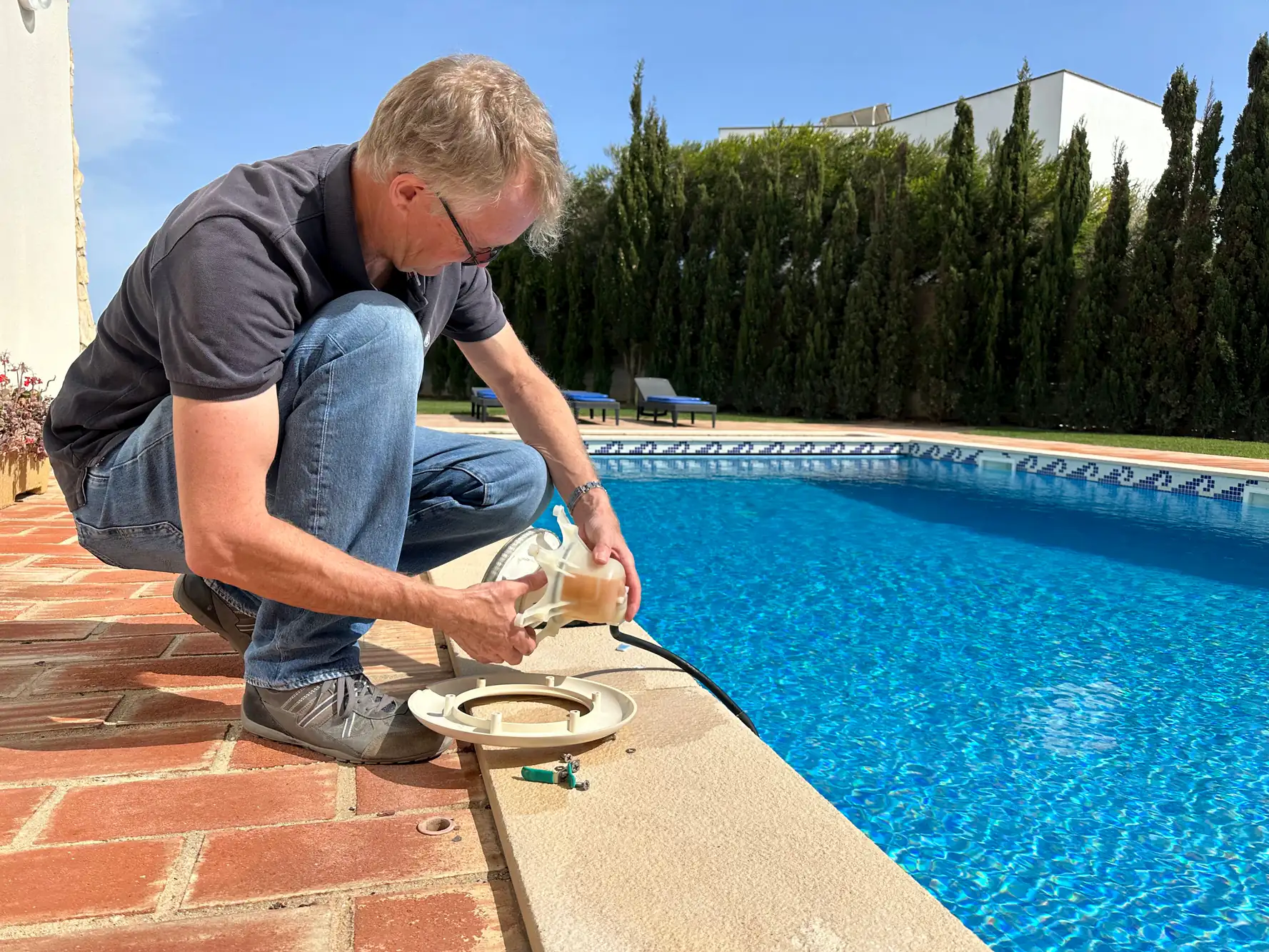
You may have seen the term CPO — Certified Pool/Spa Operator — and wondered what it actually means in practice. It’s the recognized national standard for pool operations knowledge, administered through the Pool & Hot Tub Alliance. Earning it requires at least 16 hours of training and passing a department-approved exam. It covers water chemistry, equipment operation, health and safety standards, and the kind of applied knowledge that separates a technician who genuinely understands your pool from one who’s just going through the motions.
Our team holds CPO certification. We mention it not to stack credentials for the sake of it, but because it reflects how we approach the work. Every visit, every chemical adjustment, every equipment check is done with a working understanding of why it matters — not just what the checklist says.
For Broward County homeowners, this distinction matters more than it might in other markets. Florida’s climate creates pool challenges that don’t exist in most of the country. The rainy season runs from May through October, and heavy rainfall can throw off your pool’s chemical balance rapidly, masking developing problems or creating new ones. UV intensity here is among the highest in the continental U.S., which degrades rubber seals, gaskets, and surface materials faster than homeowners expect. A technician who understands these dynamics — not just in theory but from working in this specific environment — is going to catch things that a less experienced operator won’t.
CPO certification isn’t a contractor’s license, and it’s worth understanding the difference. A CPO-certified technician can manage water chemistry, equipment operation, and maintenance at a high level. Structural repairs, equipment installation, and anything affecting the physical integrity of the pool require a licensed pool contractor. We hold both — which means when we identify a problem during a routine visit, we have the credentials and the capability to address it properly, without referring you to someone else.
**How much does pool repair typically cost in Broward County?**
It depends on what needs fixing. The most common repairs — pump issues, minor leaks, skimmer problems, light replacements — generally fall in the $300 to $1,200 range for Broward County homeowners. Leak detection and repair can run $120 to $350 depending on severity and location. Pool crack sealing in this area typically costs $400 to $1,000. Repair costs in Broward County run somewhat higher than state averages — roughly 15 to 25 percent — because of year-round demand, permitting requirements, and labor costs. The most important thing is getting a clear, itemized quote before any work starts. You should know exactly what you’re paying for and why.
**Can I use my pool while it’s being repaired?**
Usually, yes — for minor repairs. Equipment work on the pump, filter, or heater can often be done while the pool is still usable, depending on the scope. Structural repairs like crack sealing or resurfacing require the pool to be drained and out of service for a period of time. We’ll always walk you through the timeline before we start so you can plan around it, especially if you have events coming up.
**How do I know if a pool repair company in Broward County is actually licensed?**
Ask for their license number and look it up at myfloridalicense.com. This is a free, public search that takes less than a minute. Under Florida Statute 489.128, homeowners can legally refuse to pay for work done by unlicensed contractors — which tells you how seriously the state takes this. Any reputable company will give you their license number without hesitation. If someone is evasive about it, that’s your answer.
**How often should a pool be serviced in South Florida specifically?**
Weekly professional service is the practical standard for pools in Broward County — not because it’s upselling, but because the climate demands it. Warm temperatures and high humidity create constant algae pressure. The rainy season rapidly dilutes chemical balance. UV exposure degrades water chemistry faster here than in cooler markets. Skipping even a couple of weeks can result in an algae bloom that takes significantly more time and chemicals to resolve than consistent weekly maintenance would have cost. For pools in communities like Weston, Coral Springs, or Pembroke Pines where families are using their pools regularly through the spring and summer, staying on a consistent schedule is genuinely the most cost-effective approach.
The window between now and your first summer gathering is shorter than it feels. If something has been nagging at you — a noise, a water level that keeps dropping, water that won’t quite clear — this is the time to get it looked at, not after the party is already scheduled and the yard is full of people.
Most pool repairs are straightforward when they’re caught early. The ones that become expensive are almost always the ones that were put off. A pre-summer inspection gives you a clear picture of where things stand, what needs attention, and what it will cost — with no pressure and no surprises.
If you’re in Broward County and want a team that will show up when they say they will, tell you exactly what we find, and give you a straight quote before touching anything, reach out to us at DCP Pool Services. We’re based in Sunrise and serve homeowners across the county — from Coral Springs and Plantation to Hollywood and Hallandale Beach. Summer’s coming. Let’s make sure your pool is ready for it.
Article details:
Share:
Continue learning: