Consistent pool maintenance isn't just about clear water—it's your best defense against structural damage, equipment failures, and premature resurfacing that cost thousands.
Share:
Summary:
You didn’t invest in a pool expecting to face an expensive, premature resurfacing project. You certainly didn’t plan for a major, costly pump replacement that should have lasted several years longer. Yet, that is exactly where neglected maintenance inevitably leads.
Broward County pools operate under conditions that accelerate wear faster than almost anywhere else. Year-round use. Relentless UV exposure. Afternoon storms that wreck your chemistry. Heat that breeds algae in days, not weeks. The gap between “looks fine” and “this is going to cost me” closes faster here than you think.
Most expensive pool problems are completely preventable. Let’s talk about what consistent pool maintenance actually protects you from—and what it costs when you skip it.
Your pool equipment works hard. Pumps move thousands of gallons daily. Filters trap debris and oils under constant pressure. Heaters maintain temperature through Florida’s temperature swings.
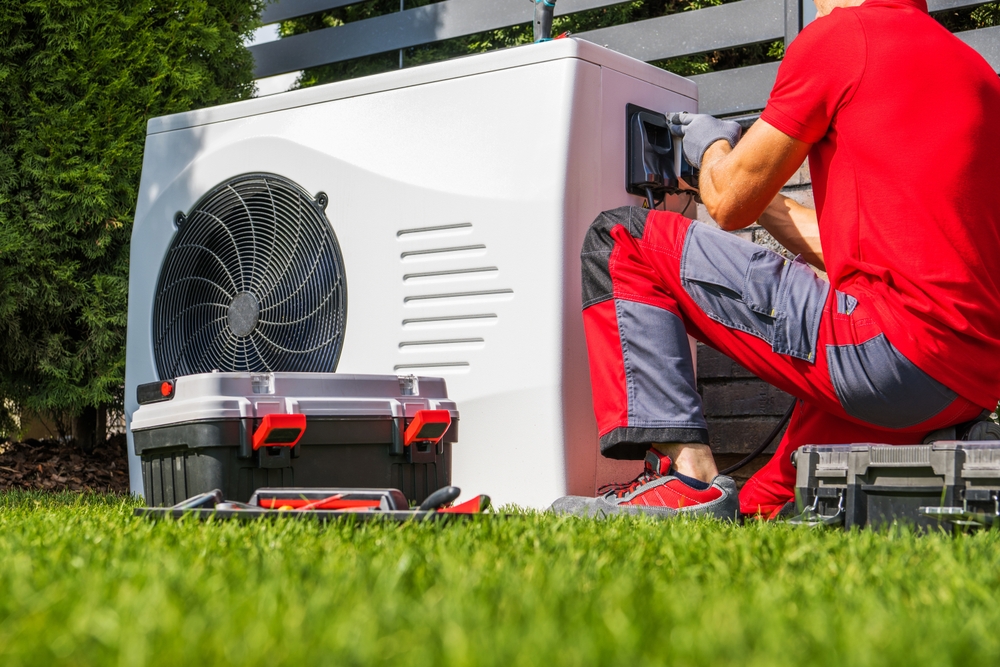
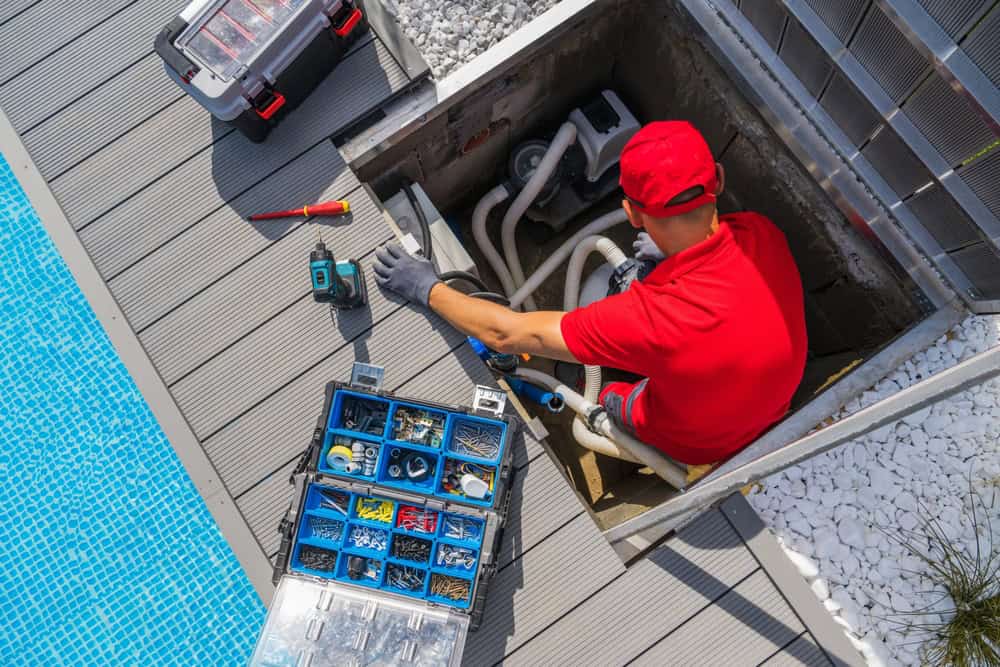
When water chemistry drifts or debris builds up, these systems compensate by running harder and longer. That extra strain shortens their lifespan—sometimes by half. A pool pump should last 8 to 12 years with proper care. Heaters typically run 7 to 10 years. But improper chemical balance corrodes metal components. Clogged baskets force pumps to work against resistance. Scale buildup chokes heater efficiency and triggers premature failure.
The math is straightforward. Addressing a pool pump repair or a full system replacement represents a significant one-time expense, as does the installation of a new heater. Regular, proactive pool maintenance represents only a fraction of those costs—and keeps your equipment operating within its intended range, preventing the premature wear that leads to early burnout.
Water chemistry affects more than swimmer comfort. When pH drops too low, the water turns acidic. Acidic water eats metal fittings, corrodes heater elements, and destroys rubber seals and gaskets. You’ll notice it first as small leaks around the pump or filter. Left unchecked, it leads to complete component failure.
High pH creates the opposite problem. Alkaline water allows calcium and minerals to precipitate out of solution. They form scale deposits on heater coils, inside pipes, and across pool surfaces. Scale acts like insulation—your heater works harder to warm the same water. Efficiency drops. Energy costs climb. Eventually, the buildup becomes so severe the heater fails entirely.
Florida’s climate accelerates this damage. High temperatures speed chemical reactions. UV exposure from intense sunlight breaks down chlorine faster than in northern states. Rain dilutes your carefully balanced water. A single week of neglect can push your chemistry into ranges that start damaging equipment.
Weekly pool maintenance catches these shifts before they cause harm. Testing and adjusting pH, alkalinity, and sanitizer levels keeps water in the safe zone. Your equipment operates as designed. Seals stay intact. Metal components resist corrosion. You avoid the service call that starts with “I have bad news about your heater.”
Proper chemical balance also protects your pool’s surfaces. Plaster, tile, and grout all respond to water chemistry. Acidic water etches plaster, creating rough texture that harbors algae. Alkaline water leaves mineral deposits that stain and discolor. Both conditions significantly accelerate the wear on your pool’s surface, bringing you closer to the need for a major replastering project, which represents a substantial investment for any homeowner.
Leaves, pollen, insects, grass clippings—Broward County pools collect debris constantly. It’s not just unsightly. Organic material sitting in your pool creates cascading problems.
When debris breaks down, it consumes chlorine. Your sanitizer works to oxidize leaves and pollen instead of killing bacteria. Chlorine levels drop. Algae finds an opening. Within days, you’re dealing with cloudy water or green walls that require expensive shock treatments to clear.
Debris also clogs your filtration system. Skimmer baskets fill. Pump baskets overflow. Your filter traps what makes it through, but when it’s overloaded, water flow decreases. Reduced flow means poor circulation. Dead spots form where water sits stagnant. Those areas become breeding grounds for algae and bacteria.
The pump responds by working harder to maintain flow. Pressure builds. The motor runs hotter. Seals wear faster. What should be an easy job—moving clean water through an open system—becomes a constant struggle against resistance. That’s how a pump designed to last 12 years fails in six. Pool pump repair becomes necessary years before it should.
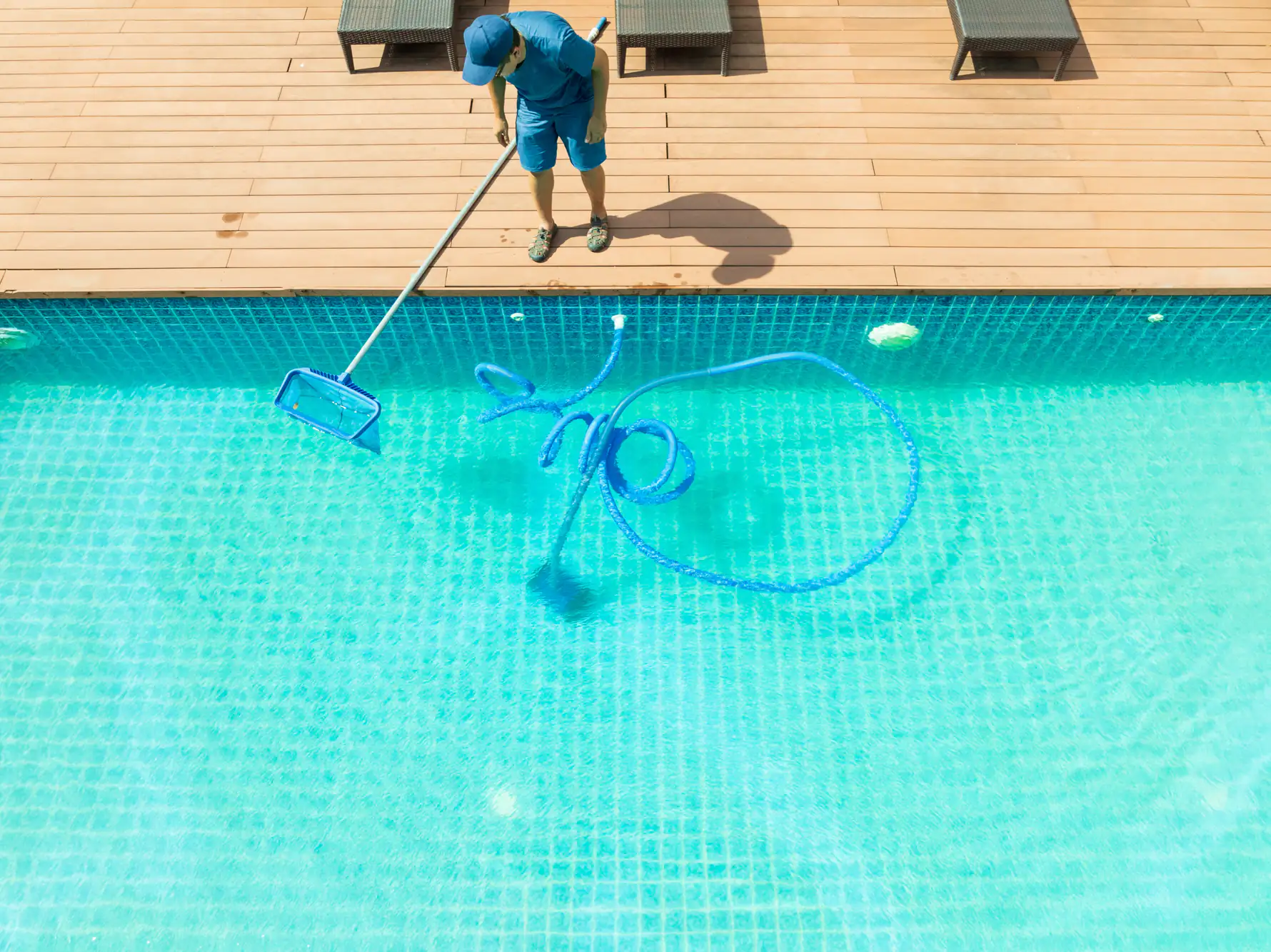
Regular skimming and vacuuming prevent this cascade. Clean baskets mean proper water flow. Your pump operates efficiently. Your filter does its job without strain. Your chemicals work on sanitizing water instead of breaking down leaves.
There’s also the structural angle. Debris that settles on your pool floor can stain surfaces if left too long. Tannins from leaves, iron from well water, copper from algaecides—they all bond with plaster and create discoloration that’s difficult or impossible to remove without acid washing or resurfacing. A simple weekly vacuum prevents stains that cost thousands to fix.
Want live answers?
Connect with a DCP Pool Services expert for fast, friendly support.
Structural problems in pools don’t announce themselves with alarms. They start small. A hairline crack in the plaster. Slight separation along the tile line. Moisture appearing near the equipment pad. These early warning signs are easy to miss—and expensive to ignore.
Consistent pool maintenance gives you regular opportunities to spot problems before they spread. A technician servicing your pool weekly notices when tile grout starts separating. They see cracks forming before water penetrates behind the shell. They catch leaks while they’re still small and repairable.
The alternative is discovering the problem after it has caused significant damage. A minor crack that could have been addressed with a simple patch becomes a comprehensive structural repair. Similarly, an unnoticed leak can erode the soil beneath your deck, causing it to shift and fracture. This then leads to the added necessity of deck replacement on top of the essential leak detection and structural repairs.
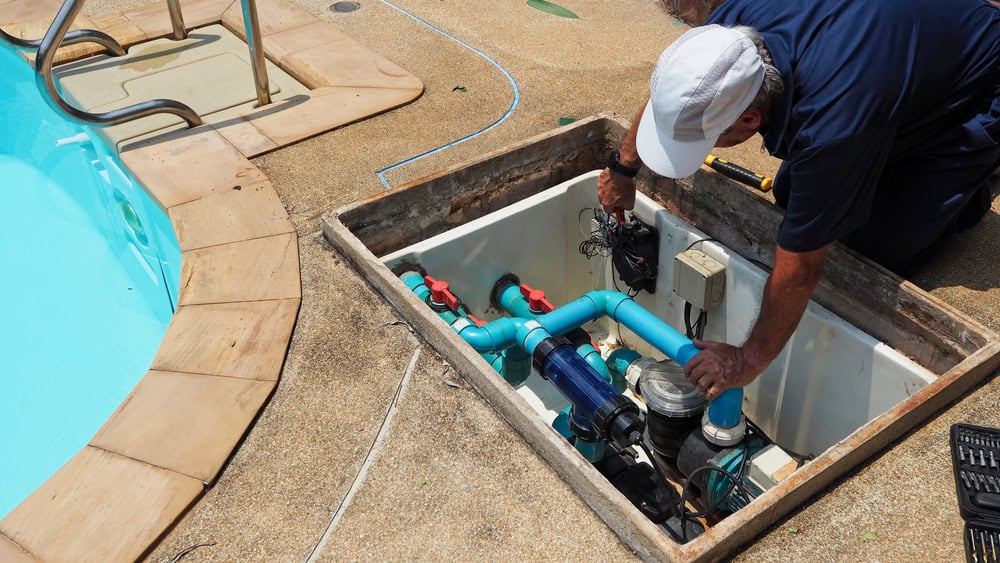
Pool leaks are sneaky. In Florida’s climate, you expect water loss from evaporation—up to 1.5 inches per week in summer is normal. A leak hiding behind that evaporation can go unnoticed for months.
During that time, water escapes into surrounding soil. If the leak is in the shell, water saturates the ground beneath your pool. Soil shifts. The pool settles unevenly. Cracks spread. What started as a pinhole becomes a structural issue.
If the leak is in underground plumbing, you’re losing water continuously. Your water bill climbs. You’re constantly adding water to maintain level. The chemicals you just balanced get diluted. You add more chemicals. The cycle repeats, costing you money every week.
Professional leak detection is a critical diagnostic service. The subsequent repair costs for your pool are determined by the complexity of the issue; surface crack remediation involves a specific range of effort, while subsurface plumbing repairs require more intensive labor. Major structural interventions represent the most significant level of investment due to the extensive nature of the work involved.
Most leaks give warning signs before they become expensive. Water level dropping faster than normal. Wet spots in your yard. Air bubbles in your return lines. Cracks appearing in plaster or tile. Regular pool maintenance means someone trained to recognize these signs checks your pool every week.
Early leak detection saves you thousands. A small crack caught early gets patched before water penetrates. A plumbing leak found through pressure testing gets fixed before it erodes your yard. You pay for the repair, not the damage it caused.
Pool plaster has a lifespan. Standard plaster typically lasts 7 to 12 years. Quartz finishes extend that to 10 to 15 years. Pebble surfaces can go 15 to 20 years or more. But those numbers assume proper care. Neglect cuts them in half.
Water chemistry is the primary factor. Acidic water etches plaster, creating rough, pitted surfaces. Alkaline water deposits minerals that stain and scale. Both conditions accelerate deterioration. The smooth finish you started with becomes rough, discolored, and eventually starts chipping or peeling.
Algae makes it worse. When algae takes hold, it grows into the plaster surface. Removing it requires aggressive brushing or acid washing. Each treatment wears away a thin layer of plaster. Do that enough times and you’ve shortened your surface life by years.
Proper chemical balance prevents both problems. pH stays in range. Plaster remains smooth. Minerals stay dissolved. Your surface ages at its natural rate instead of being attacked by poor chemistry or algae.
The financial impact is significant. Pool resurfacing—whether utilizing standard plaster, quartz, or premium pebble finishes—represents a major capital project. If poor maintenance forces you to resurface your pool several years earlier than anticipated, you are faced with an substantial, unplanned expense that could have been avoided with proactive care.
Regular pool maintenance extends that timeline. Balanced water protects your surface. Algae prevention keeps plaster smooth. You get the full lifespan from your finish—and sometimes more. That’s years of additional use before you need to budget for resurfacing.
There’s also the compounding effect. A well-maintained pool requires less aggressive cleaning. Less aggressive cleaning means less wear on surfaces and equipment. Less wear means longer life. It’s a positive cycle that starts with consistent attention.
Your pool is an investment—in your property, your lifestyle, and your family’s enjoyment. Protecting that investment doesn’t require hours of your time every week. It requires consistency and the right expertise.
Weekly pool maintenance in Broward County is a recommended consistent service. That covers skimming, vacuuming, chemical testing and balancing, equipment checks, and early problem detection. Compare that to premature equipment replacement, structural pool repair, or early resurfacing, and the math makes sense.
The real value isn’t just what you avoid spending on repairs. It’s the peace of mind that comes from knowing your pool is safe, clean, and operating as it should. It’s reclaiming your weekends. It’s having a pool that’s always ready when you want to use it.
If you’re looking for reliable pool maintenance in Broward County, FL, we handle everything from routine cleaning to equipment repair and leak detection. Our team brings the expertise and consistency that keeps pools running right—so you can focus on enjoying yours instead of maintaining it.
Article details:
Share:
Continue learning: