Summer in South Florida is basically an outdoor sport. Here's how to make sure your pool is ready for every backyard moment — and what to do when it's not.
Share:
Summary:
Summer in Broward County doesn’t really end. That’s one of the best things about living here — and one of the most demanding things about owning a pool. When your neighbors in Coral Springs are swimming in October and your family in Plantation is hosting a New Year’s Eve pool party, “seasonal maintenance” isn’t a concept that applies to you. Your pool works year-round, which means the pressure to keep it clean, balanced, and safe never really lets up. This guide is for homeowners who want to stop stressing about their pool and start enjoying it — especially when summer entertaining season hits full stride.
Ask most people what pool maintenance means and they’ll say “cleaning and chemicals.” That’s true, but it’s a bit like saying cooking is just “heat and ingredients.” The reality is more layered — and in Broward County’s climate, significantly more demanding than in most parts of the country.
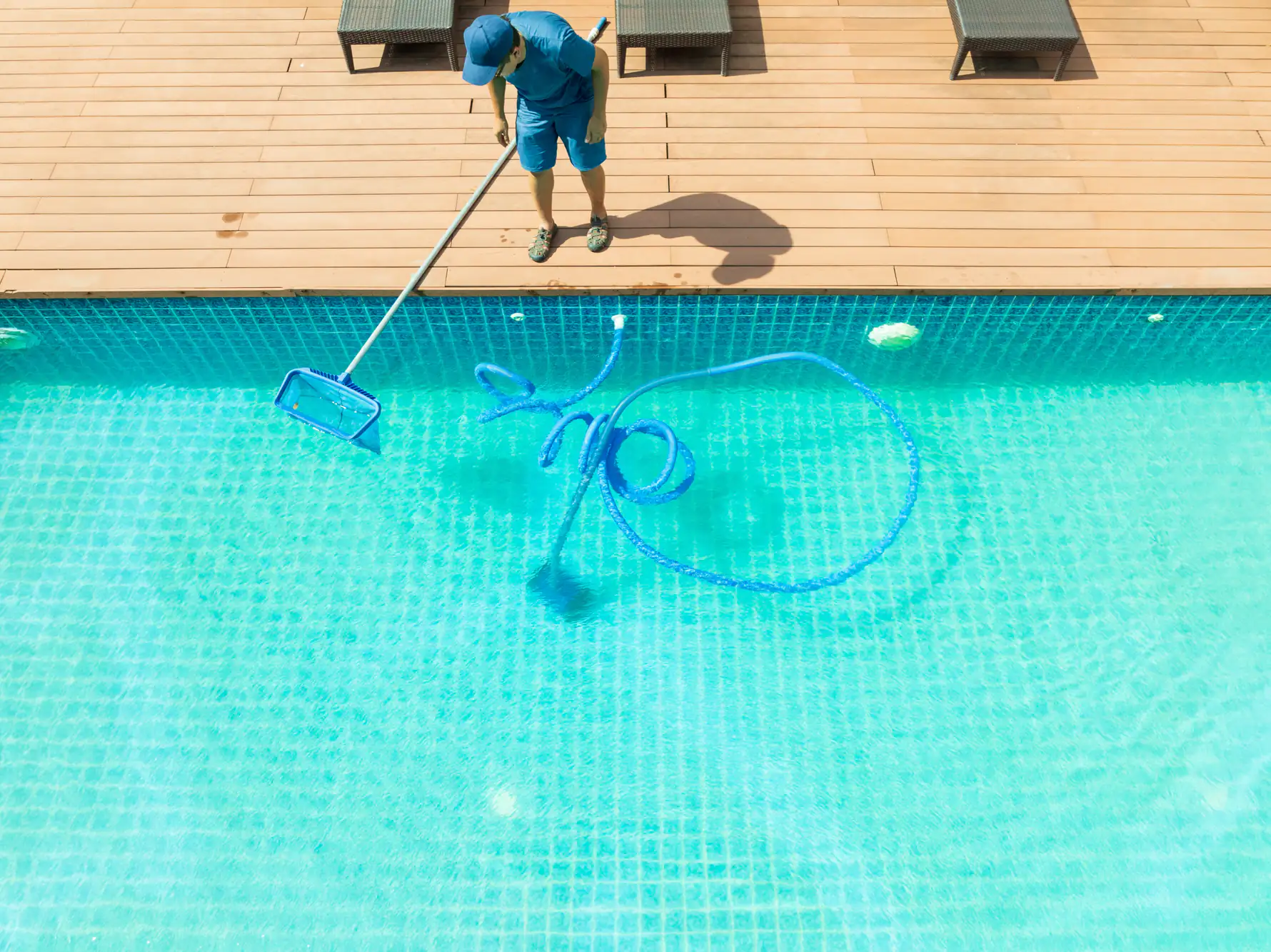
Proper pool maintenance covers water chemistry testing and adjustment, vacuuming, skimming, brushing walls and steps, cleaning skimmer and pump baskets, inspecting equipment, and managing filter health. Every one of those tasks affects the others. If your filter is clogged, circulation drops. If circulation drops, chemicals don’t distribute evenly. If chemistry is off, algae moves in — fast.
Florida’s summer heat accelerates every part of that equation. Warm water is a breeding ground for algae. UV rays from South Florida’s sun break down chlorine faster here than almost anywhere else in the country. And once Broward County’s rainy season kicks in — typically June through October — daily afternoon storms dilute your pool chemistry, wash in organic debris from your landscaping, and reset the balance you worked to achieve. It’s a cycle that requires consistent attention, not occasional fixes.
If you’ve ever wondered why your pool seems to need more chemicals than your cousin’s pool up north, the answer is your zip code. Broward County sits in a tropical monsoon climate with average summer temperatures that regularly push past 90°F, humidity that rarely lets up, and a UV index that ranks among the highest in the continental United States. Each of those factors actively degrades pool water quality — and they all peak at the same time, during the exact months when you’re using your pool the most.
Chlorine is the most visible example. In cooler climates, a pool might hold effective chlorine levels for several days after treatment. In South Florida’s summer sun, that same pool can lose most of its usable chlorine within hours. UV radiation breaks down free chlorine rapidly, which is why pools here typically require cyanuric acid as a stabilizer and why professional testing on a consistent schedule matters far more than it would in other regions.
Then there’s the rain. Broward County averages around 60 inches of rainfall per year, most of it concentrated between June and October. A single heavy afternoon storm can dilute your pool’s chemical concentrations meaningfully, lower the pH, and introduce a fresh load of organic material from your surrounding vegetation — palms, bougainvillea, ficus, and the rest of the tropical landscaping that makes South Florida beautiful and keeps pool technicians busy. After a storm, your pool isn’t just wet — it’s chemically different than it was that morning.
The practical takeaway: pools in Weston, Davie, and Miramar need more frequent professional attention than pools in most other parts of the country, not because they’re being neglected, but because the environment demands it. Weekly professional service isn’t a luxury in this market — it’s the baseline for keeping water safe and clear through a full South Florida summer.
There’s a particular kind of stress that comes with having guests arriving Saturday and realizing on Thursday that your pool looks like it belongs in a nature documentary. It happens more often than people admit — especially after a stretch of heavy rain or a week where the maintenance visit got skipped.
Getting a pool from questionable to genuinely swim-ready involves more than shocking it and hoping for the best. The water chemistry needs to be tested and balanced across multiple parameters simultaneously: pH, total alkalinity, calcium hardness, cyanuric acid levels, and sanitizer concentration. These don’t exist independently — adjusting one affects the others, which is why the “just dump in more chlorine” approach tends to create new problems while only partially solving the original one.
Beyond chemistry, a true party-ready pool needs the floor vacuumed, walls and steps brushed to disrupt any early-stage biofilm, skimmer baskets cleared, and the filter either cleaned or backwashed to ensure proper circulation. If the water has been sitting cloudy, a clarifier or enzyme treatment may be needed to pull suspended particles together so the filter can remove them. Tile line buildup — the white calcium ring that forms at the waterline — should be addressed too, because guests notice it even if they don’t say anything.
The honest answer is that if your pool is significantly off, two days isn’t always enough time to fully correct it on your own. We can assess the situation, treat it in the right sequence, and give you a realistic timeline. We’ve turned around pools in Pembroke Pines and Hollywood that homeowners thought were beyond saving — sometimes within 48 to 72 hours, depending on the severity. The key is catching it early enough and treating the actual problem rather than just adding chemicals and waiting.
If you’re planning a summer gathering, the smartest move is scheduling a service visit at least a week out. That gives enough time to correct any chemistry issues, let the water stabilize, and do a final check before your guests arrive.
Want live answers?
Connect with a DCP Pool Services expert for fast, friendly support.
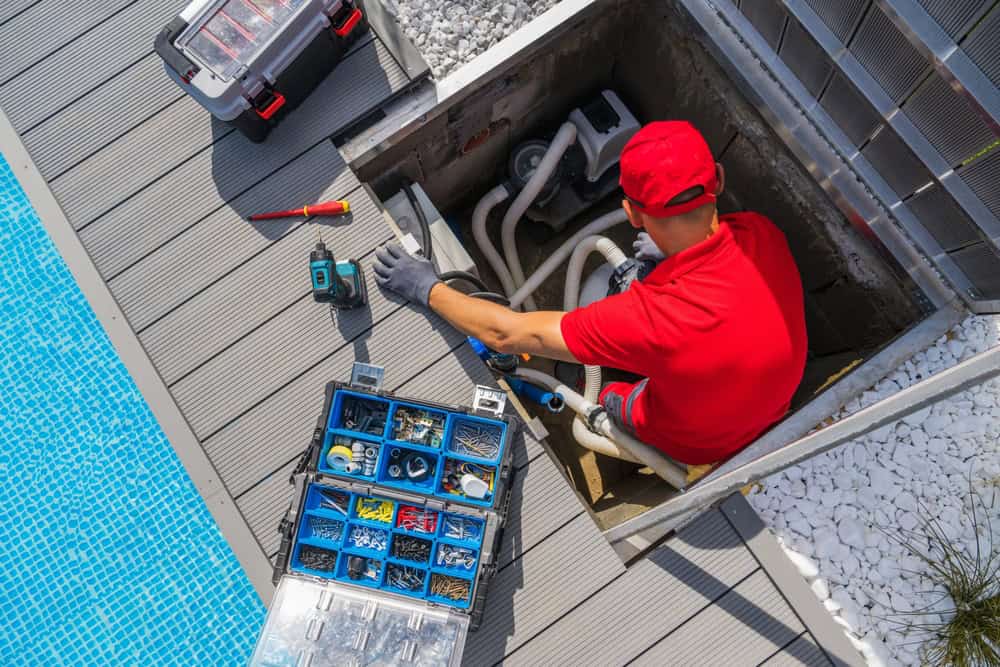
Your pool pump is the engine behind everything. It drives circulation, which drives filtration, which makes chemical treatment effective. When the pump isn’t working properly, nothing else in the system works the way it should — and in South Florida’s summer heat, a failed pump can turn a clear pool into a green one within 48 to 72 hours.
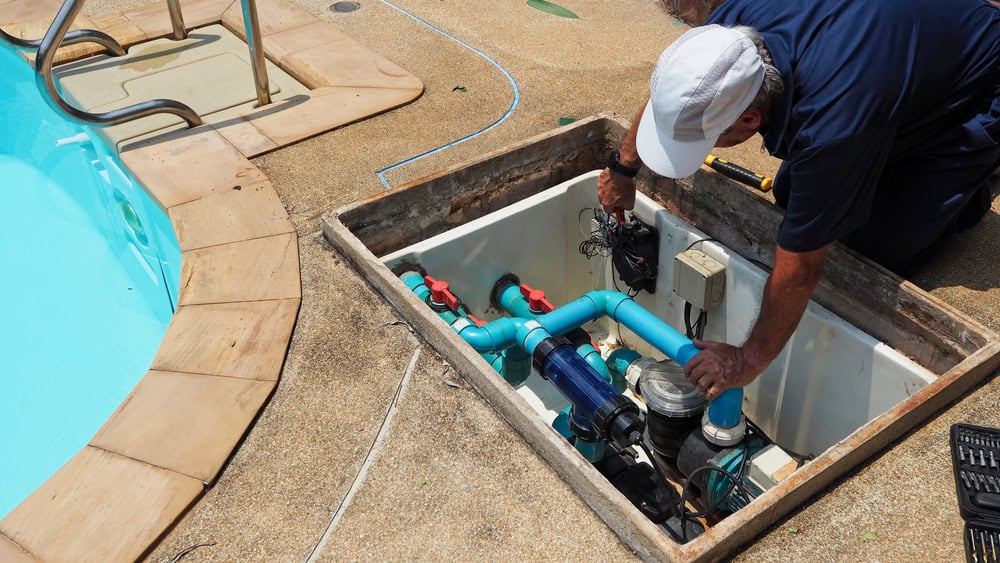
Pool pumps typically last 8 to 12 years with proper maintenance, but they don’t usually fail without warning. Most homeowners who end up with a dead pump in July could have caught the problem in May if they’d known what to listen and look for. The most common warning signs are an unusual grinding or screeching noise during operation, noticeably reduced water flow from the return jets, the pump motor overheating and shutting off on its own, visible water leaking around the pump housing, and the pump struggling to prime or losing prime repeatedly.
Any one of those symptoms deserves attention before it becomes an emergency. Pool pump repair in Broward County is significantly less expensive than pool pump replacement — and both are far less costly than the chemical remediation and potential resurfacing damage that can result from a pool sitting without circulation through a Florida summer.

This is one of the most common questions we hear from homeowners in Fort Lauderdale and Coral Springs — and the honest answer is that it depends on a few specific factors that require an in-person assessment to evaluate accurately.
Generally speaking, pool pump repair makes sense when the problem is isolated: a worn seal that’s causing a leak, a capacitor that’s failed and prevented the motor from starting, or a clogged impeller that’s reducing flow. These are mechanical issues with defined solutions, and repairing them with quality parts typically extends the pump’s useful life by several years. If the pump is less than seven or eight years old and the motor itself is structurally sound, repair is almost always the more economical path.
Replacement becomes the better call when the motor has failed completely and the pump is already at or beyond its expected lifespan, when the cost of repair approaches or exceeds 50 to 60 percent of a new pump’s price, or when the existing pump is an older single-speed model that’s been driving up your electricity bill for years. Modern variable-speed pumps are significantly more energy-efficient — in Florida, where pool pumps run 8 to 10 hours per day through a long, hot season, the energy savings from upgrading to a variable-speed unit can be meaningful over time.
What we don’t recommend is guessing. A pump that sounds like it’s struggling might have a simple fix. A pump that looks fine from the outside might be running at reduced efficiency in ways that are quietly damaging your water quality. The only way to know for certain is to have a trained technician evaluate it — not just listen to it from across the yard. We carry quality replacement parts and handle both repairs and new installations, so whatever the diagnosis turns out to be, we can take care of it in a single visit whenever possible.
Pool pump repair gets most of the attention because pump failures are loud and obvious. But there are other equipment and structural issues that affect your pool’s performance in ways that are quieter — and sometimes more expensive if they go unaddressed.
Leaks are a good example. A pool that’s losing more water than normal evaporation can explain isn’t just wasting water — it’s actively pulling in soil and groundwater around the shell, which can cause long-term structural issues and throw off your chemistry as you constantly top off with fresh water. In Broward County’s soil conditions, an undetected leak can do meaningful damage over a single season. We use pressure testing and other diagnostic methods to locate the source precisely, rather than guessing and digging.
Filter issues are another common culprit behind water quality problems that homeowners often misattribute to chemistry. A filter that’s past its service interval — whether it’s a cartridge, sand, or DE filter — can’t remove particles effectively, which means even well-balanced water stays cloudy or develops a haze that won’t clear no matter how many chemicals you add. Regular filter cleaning or media replacement is part of what a thorough maintenance program should include, not an occasional afterthought.
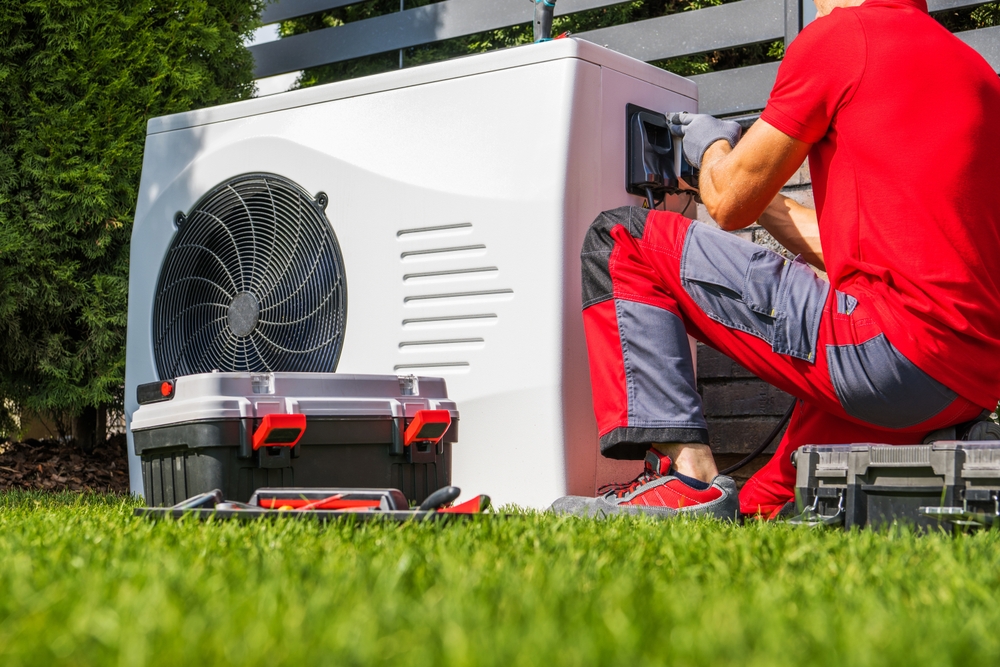
Heaters, lighting, and automated control systems also fall within the scope of pool repair, and they matter more than people realize for the entertaining use case. A heater that’s not working properly limits your pool’s usability during Broward County’s cooler winter months — which, while mild by most standards, can still make an unheated pool uncomfortable in December and January. LED pool lighting that’s functional and properly sealed transforms a pool from a daytime feature to an evening one, which is exactly what you want when you’re hosting a backyard gathering that runs past sunset in Hollywood or Hallandale Beach.
The point is that pool repair isn’t one thing — it’s a category of services that collectively determine whether your pool is performing the way it should. Catching small issues during routine maintenance visits is how you avoid the larger, more expensive repairs that tend to show up at the worst possible time.
Broward County homeowners don’t need a lecture about how important pool maintenance is. Most of you already know — you’ve either dealt with a green pool at the worst possible moment, had a pump fail in the middle of summer, or spent a Saturday afternoon fighting chemistry that refused to cooperate. The question isn’t whether maintenance matters. It’s whether you want to keep doing it yourself or hand it off to someone who does this every day.
We hold the CPO certification, carry a Florida contractor’s license (CPC-1460991), and back our repair work with a satisfaction guarantee. Our pricing is upfront before any work starts, our scheduling is flexible including Saturdays, and we service pools across Broward County — from Weston and Plantation to Deerfield Beach and everything in between.
If your pool is ready for a better routine — or if it needs attention right now — reach out to us. We’re straightforward to work with, and we’ll tell you exactly what your pool needs.
Article details:
Share:
Continue learning: