Pool pump problems eating your energy budget? Learn how modern pump repair and variable-speed upgrades deliver real savings for Broward County pool owners.
Share:
Summary:
Your pool pump just made a noise it’s never made before. Or maybe your electric bill jumped again this month. Or you’re simply tired of throwing money at a system that seems to need constant attention.
Here’s what most Broward County pool owners don’t realize until it’s too late: that pump running in your backyard is likely your home’s second-biggest energy user, right behind your AC. And in Florida’s relentless heat, it’s working overtime every single day.
The good news? Pool pump technology has changed dramatically in the past few years. What used to be a straightforward repair-or-replace decision now includes options that can cut your energy costs by half or more, run quieter, last longer, and actually improve your water quality. Let’s talk about what’s actually worth your money.
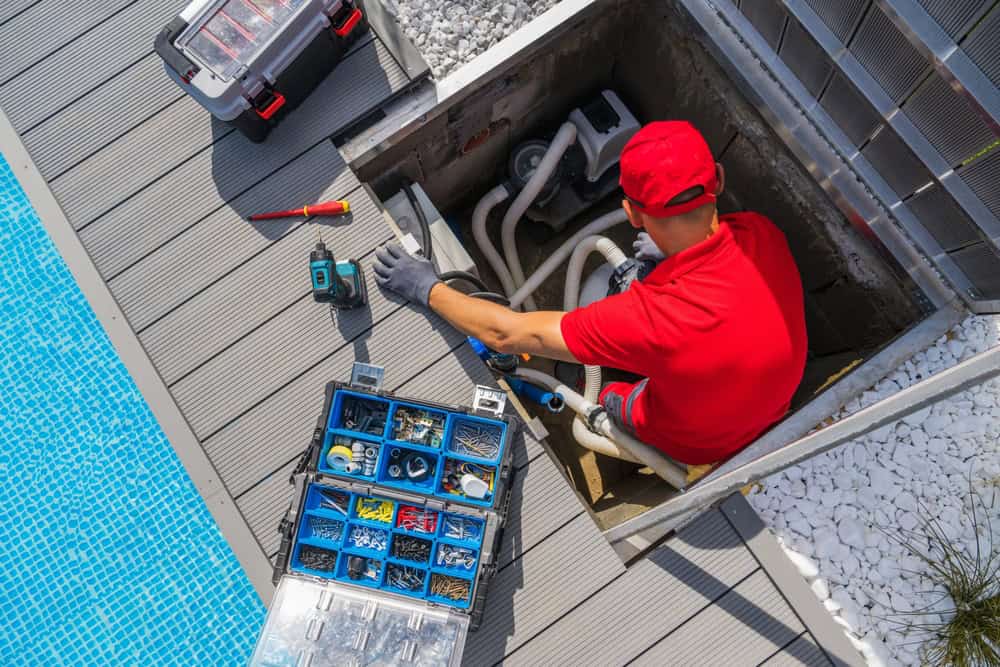
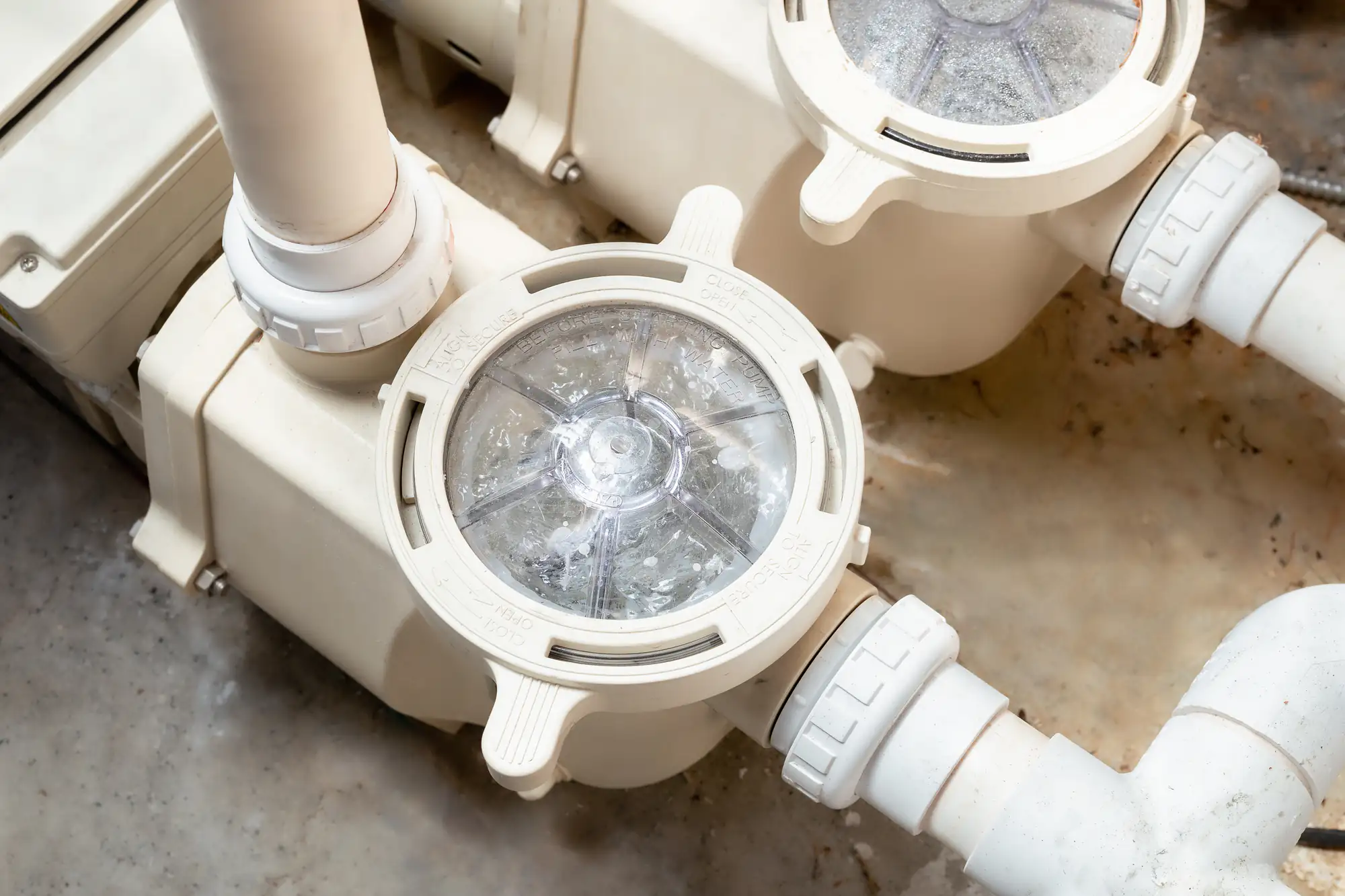
When your pool pump starts acting up, you need to know whether you’re looking at a quick fix or a bigger investment. Pool pump repair in Broward County typically runs $150 to $800 depending on what’s failing. Motor issues sit at the high end. Seal replacements, impeller cleaning, or electrical fixes usually cost less.
But here’s the part that matters: if your pump is more than 8 years old and you’re facing a repair bill over $400, the math starts favoring replacement. Not because the repair won’t work, but because newer pumps pay for themselves through energy savings. A variable-speed pump uses up to 80% less electricity than the single-speed model you probably have now.
That’s the difference between spending $70 a month on pool electricity and spending $25. Over two years, those savings cover the cost of a new pump. After that, you’re just pocketing the difference every single month.
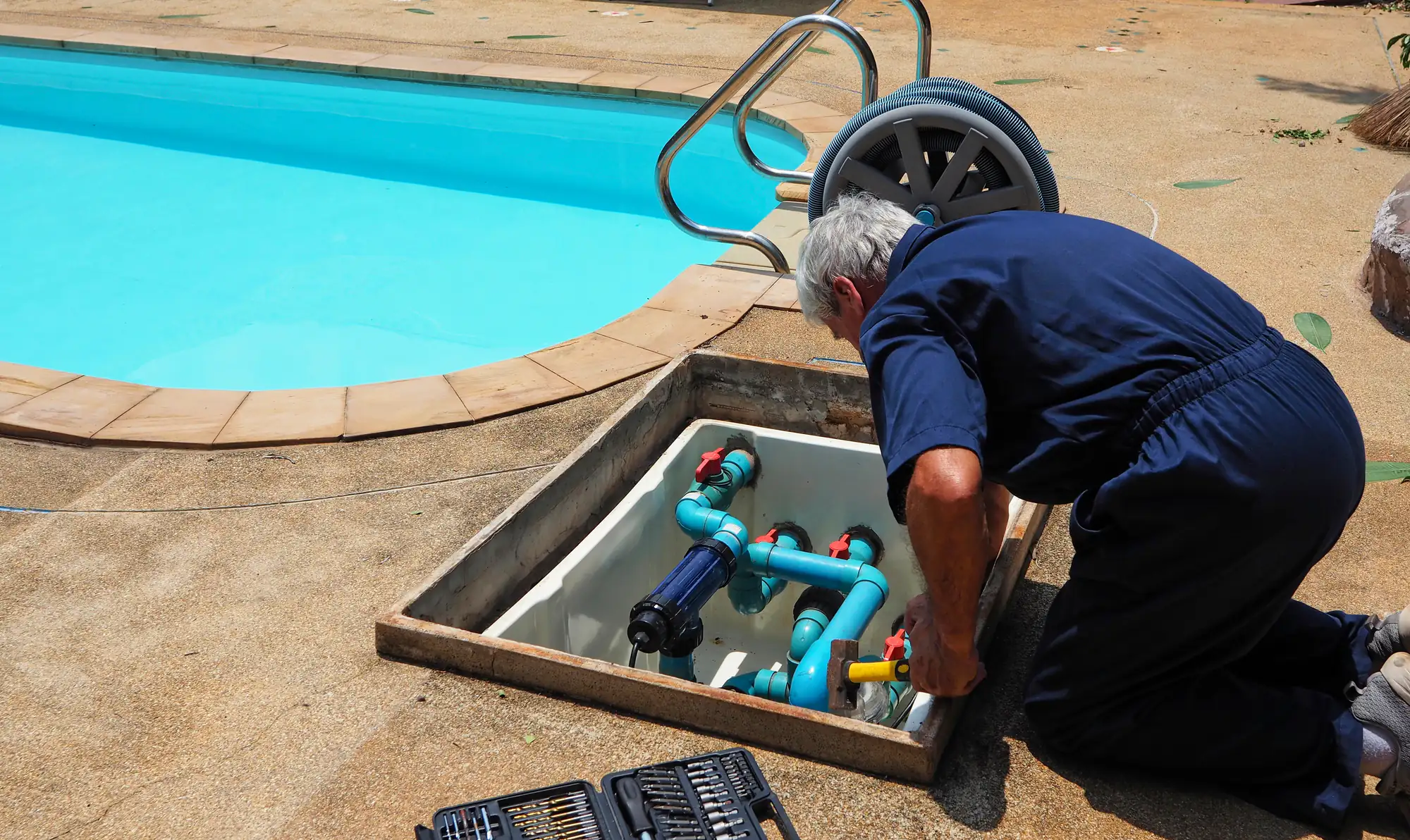
Florida pool owners run their pumps more hours per year than almost anyone else in the country. There’s no winter shutdown, no three-month break. Your pump runs 6 to 8 hours daily, every day, dealing with heat that breaks down chlorine faster and debris loads that never quit.
Traditional single-speed pumps operate at one setting: full blast. They pull 1,500 to 2,500 watts whether your pool needs that much circulation or not. It’s like driving your car everywhere in first gear. The job gets done, but you’re burning fuel the entire time.
Variable-speed pumps adjust their output based on what your pool actually needs. During daily filtration, they run at lower speeds that use a fraction of the energy. When you’re running your pool cleaner or heating the water, they ramp up. The pump matches the task instead of overpowering everything.
The energy savings aren’t theoretical. ENERGY STAR certified variable-speed pumps are independently verified to use 70% less energy than standard models. In Broward County’s climate, where your pump never gets a break, that efficiency compounds month after month. Homeowners regularly report dropping their pool-related electricity costs from $70-$80 monthly down to $20-$30.
The pumps also run quieter. If your current pump sounds like a jet engine next to your bedroom window, a variable-speed model operates at about 45-50 decibels compared to 65-70 for single-speed units. That’s roughly four times quieter in terms of perceived noise.
Beyond the monthly savings, these pumps reduce wear on your entire system. Slower water circulation means less stress on your filter, less strain on plumbing connections, and fewer chances for leaks to develop. Your filter media lasts longer. Your heater works more efficiently. The whole system operates like it was designed to, instead of being pushed to its limits every single day.
Florida utilities recognize the value too. FPL and other local providers offer rebates up to $150 for installing energy-efficient pumps. That rebate comes right off your installation cost, shortening your payback period even further.
Broward County’s climate isn’t kind to pool equipment. Intense UV exposure, temperatures that regularly push past 90°F, heavy afternoon storms, and humidity that never quits all take their toll. Your pump works harder here than it would almost anywhere else.
The most common failure is the motor. Motors burn out when they overheat, when they run dry because water levels dropped, or simply from age and constant use. Motor replacement runs $200 to $800 depending on pump size. If your pump is older than 10 years, replacing the motor often costs nearly as much as installing a new, more efficient complete unit.
Seal failures show up as leaks around the pump housing. You’ll see water pooling near the equipment pad or notice your pump losing prime more often. Seal replacement costs $100 to $250 and should be addressed quickly. A leaking seal can damage the motor and create bigger problems.
Impeller issues cause weak water flow or unusual noises. The impeller is what actually moves water through your system. When it gets clogged with debris or damaged, your circulation suffers. Impeller repair or replacement typically costs $120 to $400. In Florida, where palm fronds, seed pods, and organic debris constantly challenge your system, impeller problems happen more frequently than in other climates.
Electrical problems range from faulty wiring to failed capacitors. These repairs cost $100 to $250 and should always be handled by a licensed professional. Pool pumps operate near water and electricity, a combination that demands expertise and proper safety protocols.
The decision point comes down to this: if you’re facing a $300+ repair on a pump that’s 8 years old or more, you’re better off upgrading to a variable-speed model. You’ll spend more upfront, but you’ll recover that cost through energy savings within 18 to 24 months. After that, you’re saving money every month while running equipment that’s quieter, more reliable, and less likely to need repairs.
If your pump is relatively new and the repair is straightforward, fixing it makes sense. A $150 seal replacement on a 3-year-old pump is a smart investment. A $500 motor replacement on a 12-year-old single-speed pump is throwing good money after bad.
Location matters too. Equipment exposed to direct sun degrades faster. Pumps installed in tight, poorly ventilated spaces overheat more easily. Poor electrical connections cause repeated failures. A qualified pool equipment repair technician can identify these issues and recommend solutions that address the root cause, not just the immediate symptom.
Broward County pool owners should also consider the bigger picture. Pool pump failure doesn’t just mean inconvenience. Stagnant water breeds algae and bacteria within days in our climate. Equipment sitting idle can develop problems that cost more to fix than the original issue. Water chemistry goes haywire without proper circulation. What starts as a pump problem quickly becomes a water quality crisis, a potential health hazard, and a much bigger expense.
Want live answers?
Connect with a DCP Pool Services expert for fast, friendly support.
Sustainability isn’t just a buzzword in 2026. It’s become the driving factor in pool equipment decisions because eco-friendly upgrades deliver measurable financial returns. You’re not choosing between doing the right thing and saving money anymore. The best environmental choices are also the best financial choices.
Energy-efficient pool pumps top that list, but they’re not the only upgrade worth considering. LED pool lighting uses 75% less electricity than traditional incandescent bulbs and lasts significantly longer. Automated pool covers reduce water evaporation by up to 95%, cutting both your water bill and your heating costs. Solar heating systems use Florida’s abundant sunshine to maintain comfortable water temperatures without touching your electric bill.
The key is understanding which upgrades deliver real value for Broward County conditions versus which ones sound good but don’t pencil out. Let’s separate the worthwhile investments from the expensive experiments.
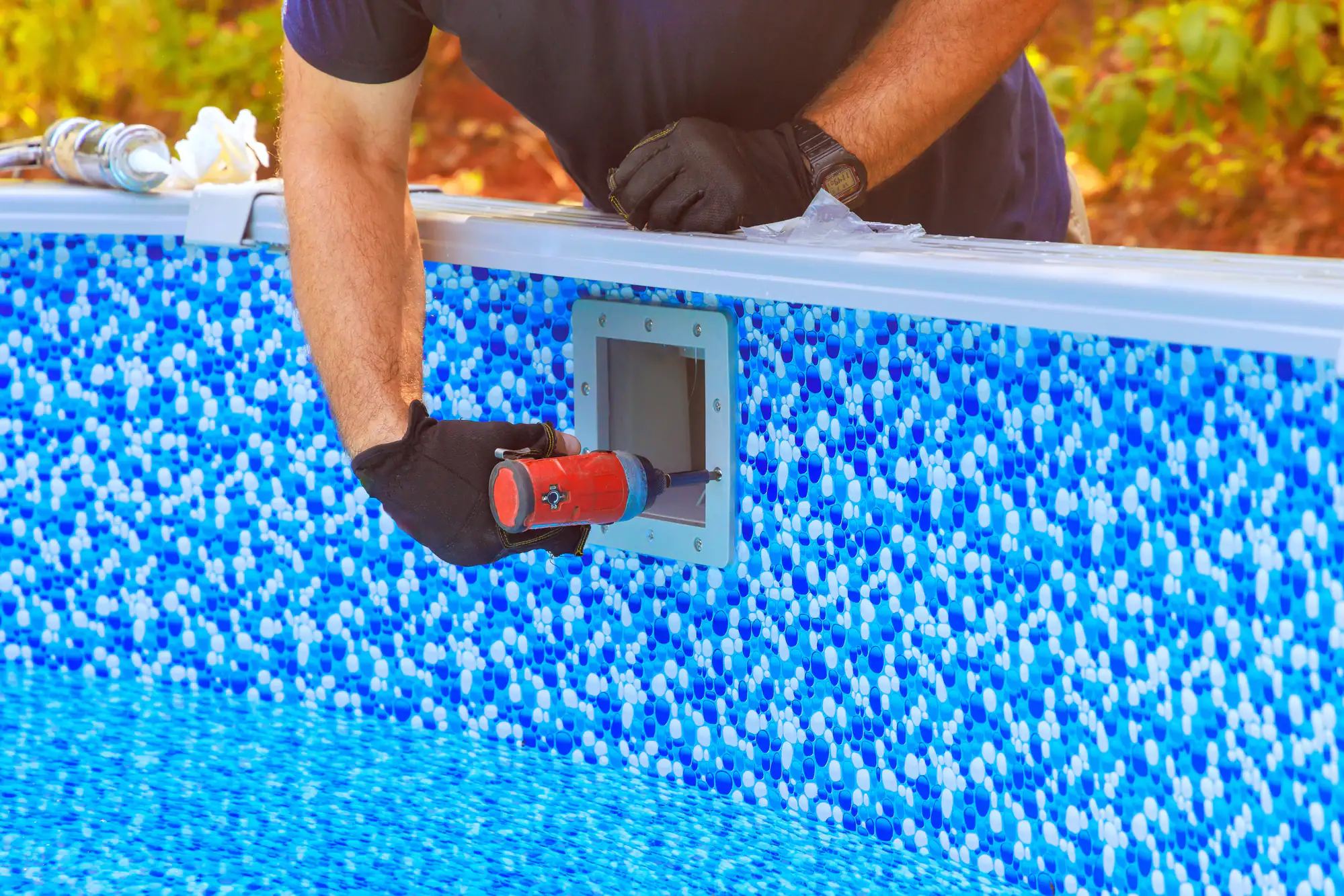
Pool automation used to mean expensive, complicated systems that only high-end installations could justify. That’s changed. Modern pool controllers integrate with the smart home systems you already use, cost a fraction of what they did five years ago, and deliver efficiency improvements that pay for themselves.
A smart pool controller manages your pump schedule, adjusts speeds based on time of day, coordinates with your heater and cleaner, and monitors your system for problems. Instead of running your pump at full speed for 8 hours straight, the controller might run it at low speed for 10 hours during off-peak electricity rates, ramp up for 30 minutes when your automatic cleaner runs, and boost circulation for an hour after heavy storms.
That kind of optimization cuts energy use without compromising water quality. You’re still getting complete water turnover and proper filtration. You’re just doing it smarter.
The systems also catch problems early. If your pump starts drawing more power than normal, the controller alerts you before the motor fails completely. If your water chemistry drifts out of range, you get a notification on your phone. Small issues get addressed before they become expensive emergencies.
Installation typically costs $500 to $1,500 depending on how many functions you’re automating. For pool owners who want to minimize hands-on maintenance while maximizing efficiency, automation makes sense. For those who don’t mind managing their pool manually and want to keep costs down, a simple timer and regular attention work fine.
The real value shows up in Broward County’s climate. Our frequent afternoon storms can dump debris into your pool in minutes. Our intense sun breaks down chlorine faster than anywhere else. Our year-round heat means algae blooms can start within days if conditions aren’t right. Automation helps you stay ahead of these challenges without constant vigilance.
Smart systems also integrate with other eco-friendly upgrades. If you add solar heating, the controller can optimize when your pump runs to maximize heat collection. If you install a pool cover, it can reduce pump runtime when the cover is on. The components work together instead of operating independently, compounding your efficiency gains.
Florida gets more sunshine than almost anywhere in the country. Using that free energy to heat your pool makes obvious sense, yet many pool owners overlook solar heating because they remember the bulky, inefficient systems from decades ago.
Modern solar pool heating has evolved dramatically. Today’s systems use sleek panels that mount on your roof or pool equipment area, capture solar energy efficiently, and transfer that heat to your pool water with minimal energy input. The only electricity used powers the pump that circulates water through the collectors.
Installation costs run $3,000 to $4,000 for most residential pools. Payback periods range from 1.5 to 7 years depending on how much you currently spend on pool heating and how many months per year you want to swim. In Broward County, where many homeowners want comfortable water temperatures year-round, solar heating can extend your swimming season without touching your electric or gas bill.
The systems typically last longer than gas or electric heaters. There are no combustion components to fail, no heat exchangers to corrode, no electronic controls to malfunction. Once installed, solar heating requires minimal maintenance beyond occasional panel cleaning and system checks.
For pool owners who don’t heat their water currently, solar might not make financial sense. But if you’re spending $50 to $150 monthly on gas or electric heating, solar pays for itself and then delivers free heating for years afterward.
Heat pumps offer another efficient alternative. They don’t generate heat directly. Instead, they extract warmth from the air and transfer it to your pool water. In Broward County’s mild climate, heat pumps work efficiently even during our coolest months. They cost more than gas heaters upfront but use significantly less energy to operate.
The environmental impact matters too. Solar heating produces zero emissions. Heat pumps use electricity but far less than electric resistance heaters. Both options reduce your carbon footprint while cutting operational costs.
Combining solar heating with a variable-speed pump and smart automation creates a system that’s dramatically more efficient than traditional equipment. The pump runs at optimal speeds to circulate water through solar collectors when the sun is strongest. The automation adjusts heating schedules based on weather forecasts and your usage patterns. The components work together to deliver comfortable water temperatures at the lowest possible cost.
For Broward County pool owners concerned about rising energy costs and environmental responsibility, these upgrades aren’t luxuries. They’re smart investments that protect your budget while reducing your impact. The technology has matured to the point where eco-friendly choices are also the most cost-effective choices. You don’t have to choose between your wallet and your values anymore.
Your pool pump works harder in Broward County than almost anywhere else. Our year-round heat, intense sun, frequent storms, and constant debris loads demand equipment that can handle the pressure without breaking your budget.
When pump problems show up, you’ve got options that didn’t exist even five years ago. Energy-efficient repairs can extend your current system’s life. Variable-speed pump upgrades can cut your electricity costs in half while improving water quality and reducing noise. Smart automation and solar heating can take your efficiency even further.
The key is matching the solution to your situation. A newer pump with a minor issue deserves a straightforward repair. An aging single-speed pump facing expensive repairs is a perfect candidate for variable-speed replacement. Pool owners ready to maximize efficiency and minimize hands-on maintenance should consider automation and alternative heating.
At DCP Pool Services, we understand Broward County pools and the unique challenges our climate creates. Whether you need expert pump repair, energy-efficient equipment upgrades, or guidance on which improvements make sense for your situation, our team brings the expertise and transparency that turn complicated decisions into clear choices.
Article details:
Share:
Continue learning:
Ready for a Pool You'll Love?
Contact us today for a free quote!
DCP Pool Services
Company
Useful Links