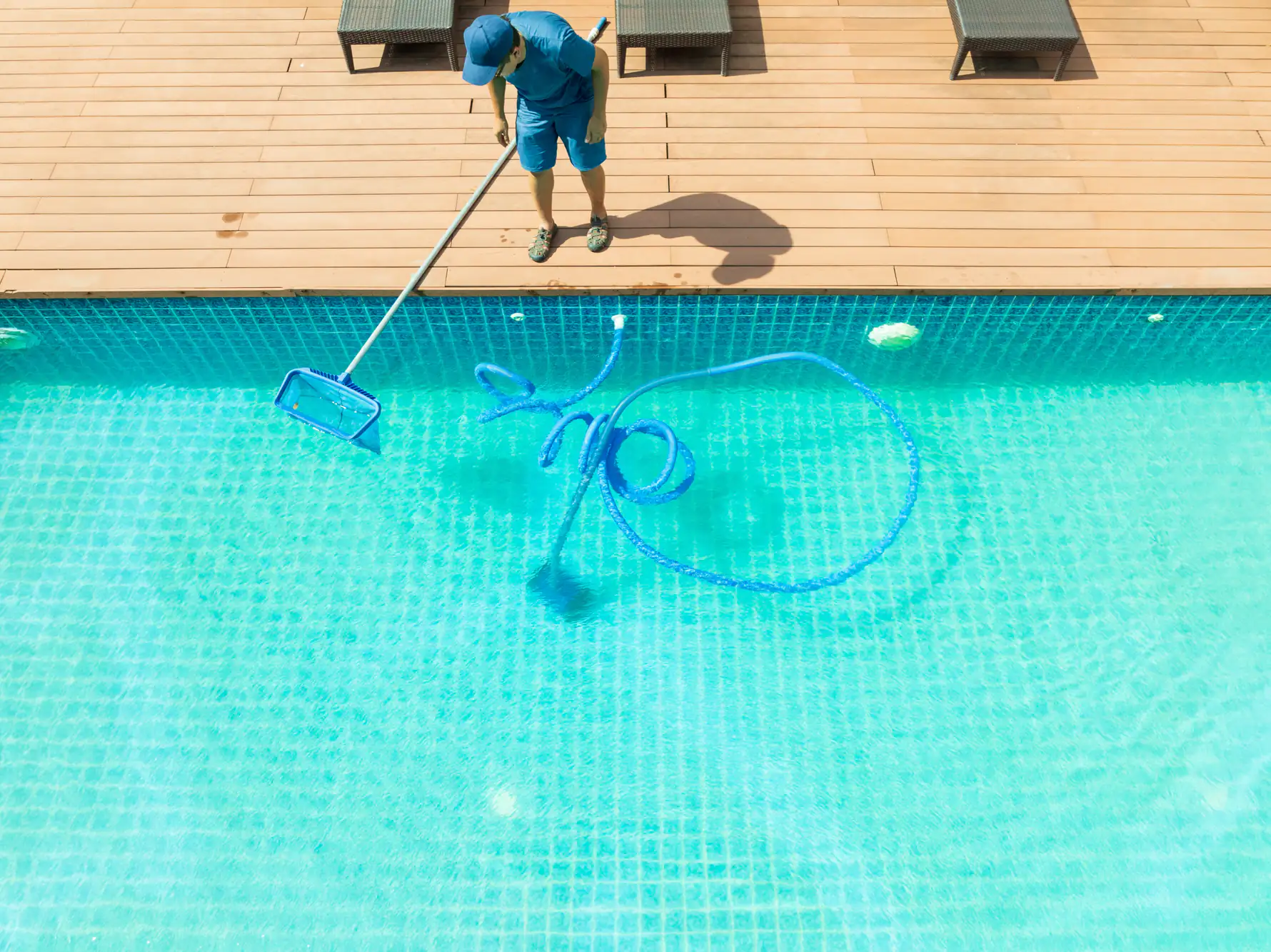
Your pool pump is acting up and the holidays are coming. Here's what you actually need to know before calling for help.
Share:
Summary:
The holidays in South Florida look different than the rest of the country. While families up north are putting away the patio furniture, you’re planning a pool party. And nothing derails that faster than a pump that won’t turn on, a motor making sounds it shouldn’t, or water that’s slowly going from blue to green.
If you’ve been putting off a weird noise or a pressure drop because life’s been busy, this is the page for you. We’re going to answer the questions Broward County homeowners actually ask — clearly, honestly, and without pushing you toward anything you don’t need.
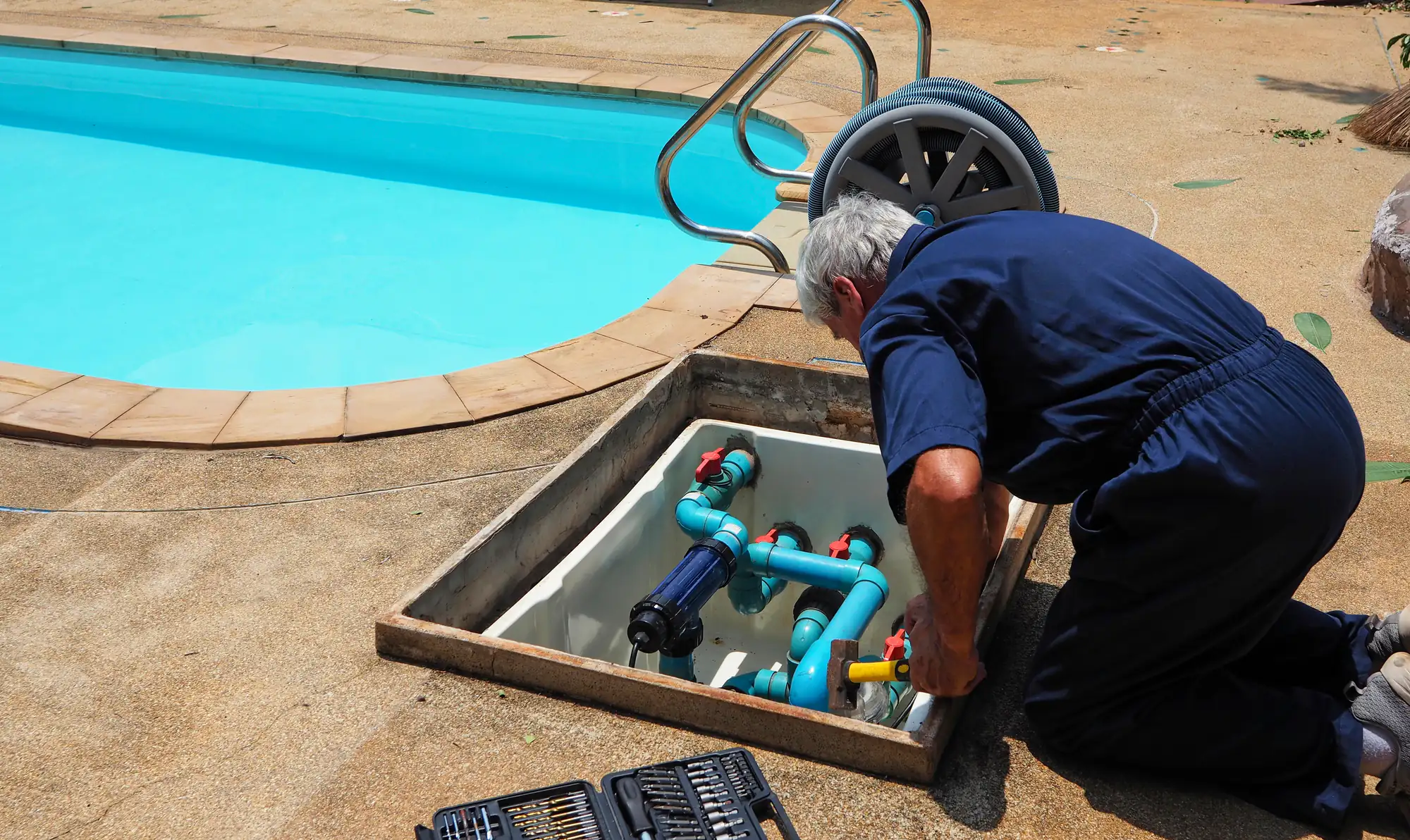
Your pool pump is the engine behind everything. It pulls water from the pool, pushes it through the filter to remove debris and contaminants, and returns it clean. Without that constant circulation, your sanitizers can’t distribute evenly, your filter can’t do its job, and the water starts to stagnate.
In Broward County’s climate, that process happens fast. We’re talking 24 to 48 hours before algae starts taking hold in a pool that’s lost circulation during a hot Florida week. The pump isn’t just a convenience — it’s what keeps your pool safe to swim in.
Most pumps don’t fail without warning. The problem is that the early signs are easy to brush off — a little more noise than usual, water that takes longer to clear after rain, a breaker that trips once and then seems fine. By the time something stops working completely, the issue has usually been building for weeks or months.
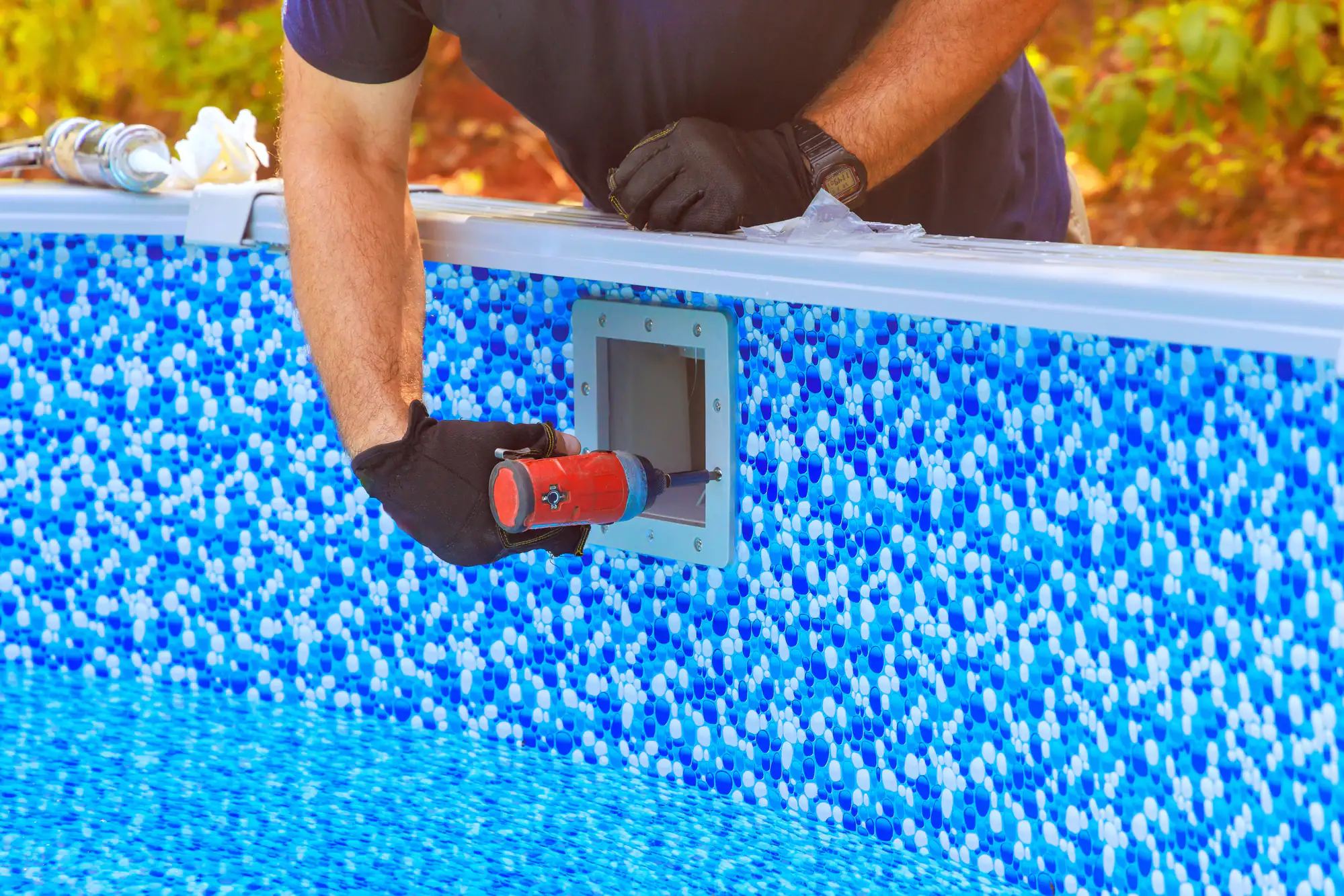
The most common things to watch for are grinding or screeching sounds coming from the motor housing, which typically point to worn bearings. Bearings take the brunt of the motor’s constant rotation, and when they start to go, the sound is hard to miss. Left alone, a bearing problem leads to motor failure — a much more expensive fix than catching it early.
Reduced water flow is another one. If your returns feel weaker than normal, or your skimmer isn’t pulling the way it used to, the pump may be losing prime, the impeller could be clogged, or the shaft seal might be failing. The shaft seal sits where the motor shaft meets the wet end of the pump, and it’s one of the most common maintenance items on any pool pump. When it wears out, water gets into the motor and accelerates damage from the inside.
Visible leaking around the pump housing, a pump that hums but won’t start, or one that runs but trips the breaker repeatedly — these all warrant a professional look. None of them are automatic death sentences for the pump, but none of them should be ignored either. In Florida, where your pump runs every single day of the year, small issues compound faster than they would in a seasonal climate up north.
This is the question most homeowners struggle with, and it’s the one where bad advice costs the most money. The honest answer depends on three things: how old the pump is, what specifically is wrong with it, and what the repair would cost relative to a new unit.
A general rule of thumb: if the pump is under eight years old and the issue is a worn seal, a failed capacitor, or a damaged impeller, repair almost always makes financial sense. Those jobs typically run between $150 and $500 depending on the component and labor involved. A full pump replacement, installed, runs anywhere from $800 to $2,000 or more for a variable-speed unit — so the math usually favors repair when the pump has years of life left.
Once a pump crosses the ten-year mark, the calculus changes. At that point, even a successful repair might only buy you another season or two before the next component fails. If repair costs are approaching 50% of what a new pump would cost, replacement is often the smarter investment — especially since Florida Building Code and federal regulations now require variable-speed pumps for most residential replacements. That’s not a sales pitch; it’s the law since 2021. And the upside is real: variable-speed pumps use up to 90% less energy than older single-speed models, with average annual savings around $460 on your electric bill. Most homeowners recoup the cost within two years.
What we won’t do is recommend a full replacement when a repair will handle the problem. That’s not how we operate. If your pump needs a new motor — not a whole new unit — we’ll tell you that, and we’ll quote you on the motor.
Want live answers?
Connect with a DCP Pool Services expert for fast, friendly support.
These are the questions we actually hear — from homeowners in Coral Springs, Pembroke Pines, Plantation, Weston, and everywhere else across Broward County. Not hypotheticals. Real concerns that come up when a pump starts acting up and someone needs a straight answer before deciding what to do next.
We’ve kept the answers plain. No upselling, no alarm bells, just the information you need to make a good decision for your pool and your budget.
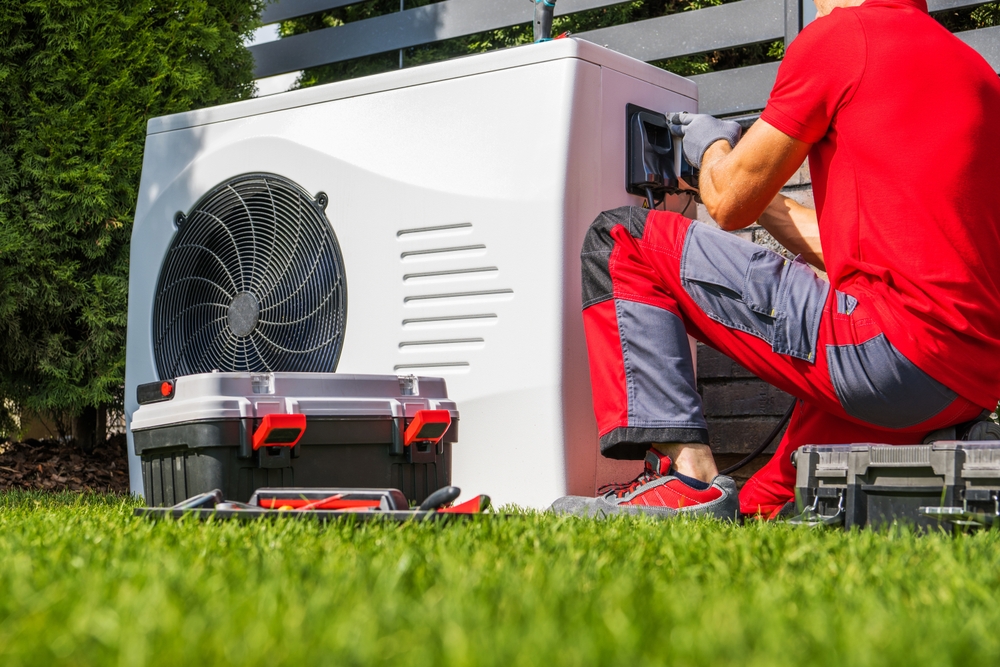
For most common repairs — bearing replacement, seal replacement, capacitor swap, impeller cleaning — a skilled technician can typically complete the job in a single visit, often within an hour or two. The bigger variable is parts. If your pump takes a less common component that isn’t stocked, there’s a wait. For major brands like Pentair and Hayward, parts are generally accessible quickly, which is one reason we work with those brands specifically.
For Broward County homeowners, the holiday timing concern is real and completely valid. December temperatures here are mild enough to swim — average highs in the mid-70s — and if you’ve got family coming in from out of state, the pool is almost certainly part of the plan. A broken pump the week before Thanksgiving or Christmas isn’t a minor inconvenience. It’s a problem with a deadline.
When you call or text us at 954-774-4334, we’ll give you a clear picture of what the timeline looks like based on what your pump is doing. We’re not going to tell you it’ll be done tomorrow if we can’t commit to that. But we also know how to prioritize when the situation calls for it, and we’ll work with your schedule to get your pool back in shape before your guests arrive.
One thing worth knowing: Broward County pools run 365 days a year, which means our technicians are working year-round and understand the urgency that comes with a pump failure in any season — not just summer. A pool going down in December here is just as serious as one going down in July, and we treat it that way.
In Florida, yes — and it matters more than most homeowners realize. Pool pump repair that involves modifying, replacing, or disassembling equipment requires a licensed pool contractor under Florida’s DBPR regulations. This isn’t a technicality. Under Florida Statute 489.128, you have the legal right to refuse payment for work performed by an unlicensed contractor. The problem is that by the time you find out someone wasn’t licensed, the work is already done — and if something goes wrong, you’re holding the liability.
Broward County has its share of unlicensed operators advertising online and through neighborhood apps. Some do decent work. Others cut corners on parts, skip proper diagnosis, or install components incorrectly — which can damage a new motor within its first season and void any warranty you might have had. There’s no easy way to tell the difference from a Facebook post or a flyer on a mailbox.
We hold Florida DBPR license CPC-1460991, which you can verify yourself at myfloridalicense.com. We also carry the Certified Pool/Spa Operator (CPO) certification — the Pool & Hot Tub Alliance’s industry-leading credential, which covers water chemistry, filtration, safety standards, and equipment operation. It’s the kind of training that matters when a technician is diagnosing a pump issue that might actually be caused by a pressure problem elsewhere in the system, not the pump itself.
Beyond credentials, what you’re really looking for is someone who will tell you the truth about what’s wrong and what it’ll cost before any work begins. That’s what upfront pricing means in practice — not a ballpark, not an “it depends,” but a real number you can say yes or no to. That’s how we work, every time.
If your pump is making noise, losing flow, or not running at all, the worst thing you can do is wait. In South Florida’s heat and humidity, a pool without circulation deteriorates fast — and the longer it sits, the more you’ll spend getting the water back to where it needs to be on top of fixing the equipment.
The good news is that most pump problems are fixable, often for a fraction of what a full replacement would cost. The key is getting a proper diagnosis from someone who will tell you what’s actually wrong, not just what’s most profitable to recommend.
If you’re in Broward County — whether you’re in Fort Lauderdale, Hollywood, Davie, Sunrise, or anywhere in between — we’re here to help. Call or text us at 954-774-4334, tell us what your pool is doing, and we’ll take it from there with honest answers and clear pricing from the start.
Article details:
Share:
Continue learning:
Ready for a Pool You'll Love?
Contact us today for a free quote!
DCP Pool Services
Company
Useful Links