Hurricane season in Broward County is six months long. Here's the pool prep and recovery guide most homeowners wish they'd found sooner.
Share:

Summary:
Every June, the same question starts circulating in neighborhoods from Coral Springs to Hollywood, Weston to Deerfield Beach: what do I do with my pool when a storm is coming? And every year, well-intentioned homeowners make the same handful of mistakes that turn a manageable situation into a multi-week recovery project. Some of those mistakes are expensive. One of them — the most common one — can actually destroy your pool shell.
This guide covers what actually works, what doesn’t, and why the first 24 to 48 hours after a storm passes matter more than almost anything you do before it arrives.
The goal before a storm isn’t to protect your pool from water — it’s already full of water. The goal is to protect your equipment, prevent debris from overwhelming your system, and set yourself up for the fastest possible recovery once the storm passes.
Start by getting your water chemistry balanced before the storm arrives. Raise your chlorine levels slightly, adjust your pH, and add an algaecide if you have one on hand. When heavy rain hits — and in Broward County, even a moderate storm can dump several inches in a few hours — it dilutes your pool chemistry fast. Starting from a strong baseline gives you a head start on recovery.
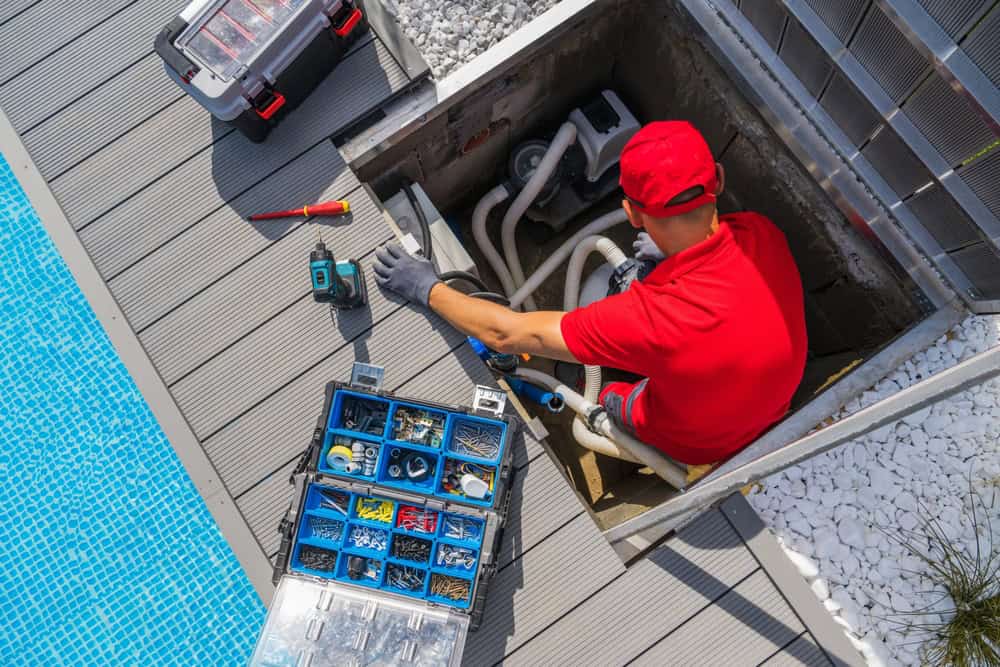
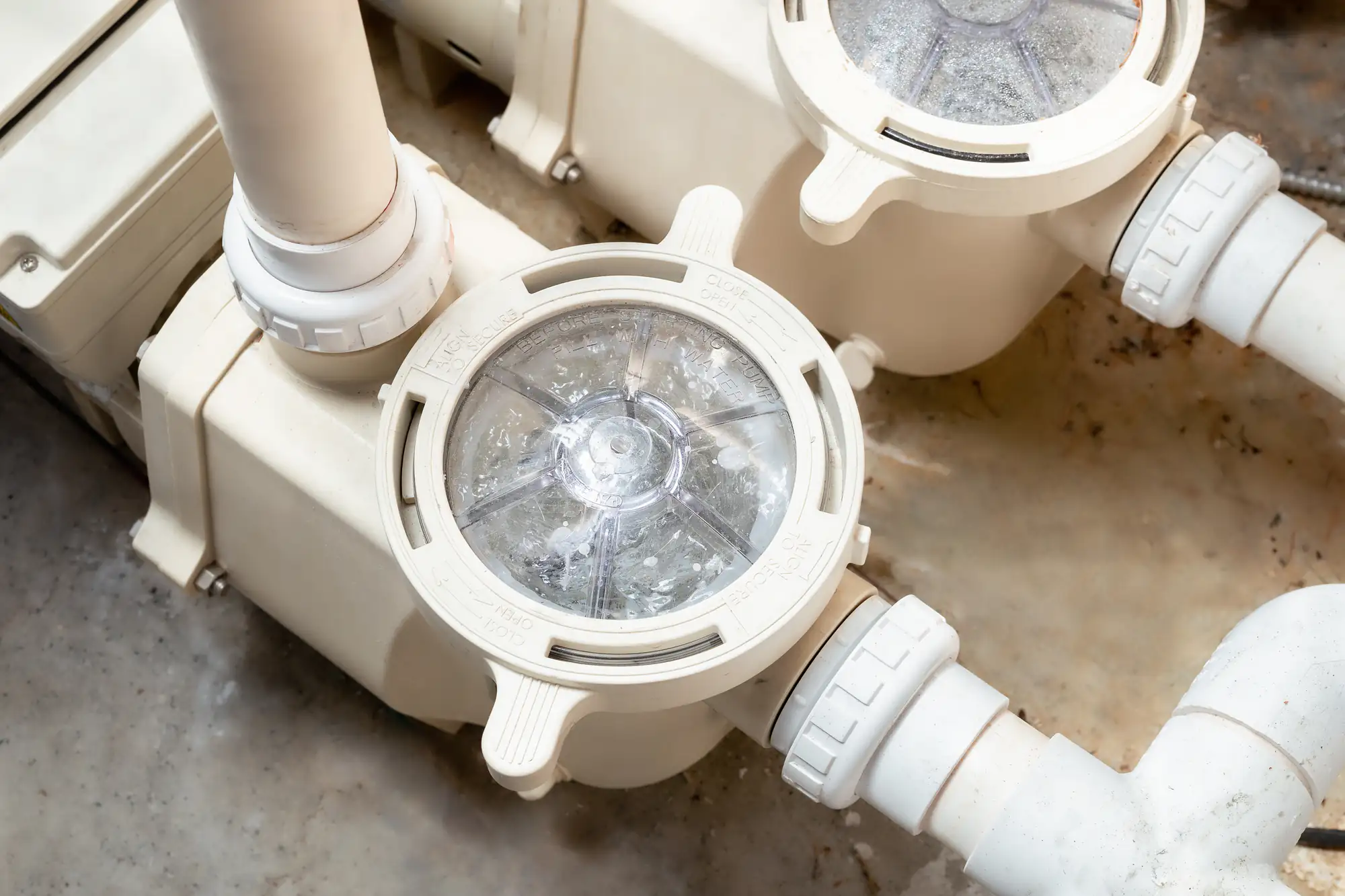
Pull your pump baskets and clean them out. Clear any debris from around your equipment pad. If you have a pool automation system, protect it from power surges — an unexpected surge during a storm can fry the control board, and that’s an expensive repair. Then turn your pump off, shut off the breaker, and leave it off until after the storm passes and you’ve had a chance to inspect everything.
This is the question we hear most often, and the answer is no — not in Broward County, and not anywhere in South Florida. We understand the instinct. A storm is coming, the pool might overflow, so drain some water out to make room. It sounds logical. It’s actually one of the most dangerous things you can do to your pool.
Here’s why. Broward County sits directly above the Biscayne Aquifer, one of the most productive underground water systems in the United States. The water table here is extraordinarily shallow — in many parts of the county, it’s just a few feet below the surface. When you drain your pool, you remove the weight of thousands of gallons of water that’s been holding the pool shell in the ground.
What’s left is a hollow structure surrounded by saturated, pressurized soil. The groundwater pushes against the empty shell from every direction, and the pool can literally float upward out of the ground. This is called hydrostatic uplift, and it happens. When it does, you’re looking at structural damage that goes well beyond a chemistry problem.
The University of Florida IFAS Extension explicitly warns against draining pools before hurricanes for exactly this reason. Keep your pool full. A pool that overflows during a storm is a cleanup problem. A pool that pops out of the ground is a structural problem — and those are very different conversations.
What you can do is lower the water level by a few inches — just enough to give the pool a little room to absorb rainfall without overflowing onto your deck. That’s a reasonable precaution. Draining it down significantly, or emptying it entirely, is not.
One more thing: if you drain your pool and the storm shifts course or weakens before it arrives, your pump may run dry when you try to refill and restart the system. Running a pool pump without water can burn out the motor, which means you’ve created an equipment repair problem before the storm even touched your property.
A lot of homeowners in Broward County put their patio furniture in the pool before a hurricane. The thinking is that it keeps the furniture from becoming a projectile in high winds, and that part is actually correct — unsecured outdoor furniture is a real hazard in a storm. But the pool is the wrong place for it.
Furniture can crack or chip plaster and tile surfaces when it sinks or shifts in the water. Metal furniture introduces rust and chemical contamination. Chair legs and table frames can lodge against drains and skimmers, blocking flow and potentially damaging them. And when the storm passes, you’re pulling wet, possibly damaged furniture out of a pool that already needs chemical recovery — which just adds more work and more debris to an already messy situation.
Store furniture in your garage, a shed, or inside your home. That’s the right call.
On pool covers: standard pool covers are not designed for hurricane-force winds. A cover that’s properly secured on a calm day can become a torn, tangled mess — or a dangerous projectile — when sustained winds hit 50, 60, or 70 miles per hour. For most Broward County homeowners, leaving the pool uncovered before a hurricane is safer than trying to secure a cover that wasn’t built for those conditions. Safety covers rated for storm conditions are a different story, but if you’re not sure what you have, leave it off.
Finally, don’t run your pool pump during the storm. There’s no benefit to running it while debris is actively falling into the water, and if a surge or outage hits while the pump is running, you risk motor damage. Turn it off, cut the breaker, and let the storm pass. You’ll restart it as part of your post-storm assessment — but only after you’ve confirmed the equipment is clear and safe to operate.
Want live answers?
Connect with a DCP Pool Services expert for fast, friendly support.
Once the storm passes, the clock starts. In Broward County’s summer heat, algae can begin forming in a disrupted pool within hours. A pool that gets prompt attention after a hurricane might be back to normal in two or three days. A pool that sits untreated for a week in July or August heat can take considerably longer to recover — and may need significantly more chemical treatment to get there.
The first thing to do is a visual assessment before you touch anything. Walk the perimeter of your pool and equipment pad. Look for visible debris in the water, damage to the pool shell or coping, and anything unusual around your pump, filter, and heater. Don’t restart your equipment until you’ve cleared the pump basket, checked for debris in the skimmer, and confirmed that nothing looks damaged or out of place.
Heavy rainfall does two things to your pool chemistry almost immediately: it lowers your pH and it wipes out your chlorine. Rainwater is naturally acidic, and when a storm dumps several inches of water into your pool in a short period, the dilution effect is significant. Low pH means the water becomes corrosive — it can irritate skin and eyes, and it accelerates damage to pool surfaces and equipment. Low chlorine means bacteria and algae have an open door.
The standard approach to post-hurricane chemical recovery starts with testing your water before you add anything. You need to know where your levels actually are before you start adjusting them, not guess based on how the water looks. After a major storm, chlorine levels are often near zero and pH has usually dropped.
You’ll typically need to shock the pool at two to three times the normal dose to overcome the contamination from diluted chemistry and organic debris. Then you bring the pH back up, adjust alkalinity, and apply an algaecide if there’s any sign of early algae growth — or even as a preventive measure if the pool sat for more than a day before treatment.
Run your filter continuously after you restart it. The filter is doing the heavy lifting of clearing the water, and running it for an extended period after a storm — rather than on its normal daily schedule — speeds up recovery significantly. Backwash or clean the filter as needed, because it will pick up a heavy load of debris and contaminants in the first hours after a storm.
For pools in coastal Broward County communities — Hollywood, Dania Beach, Pompano Beach, Lauderdale-by-the-Sea — storm surge is an additional concern. If saltwater entered your pool during the storm, the recovery process is more involved. Saltwater contamination changes the chemistry in ways that standard shocking and pH adjustment won’t fully address, and in significant cases, the pool may need to be partially or fully drained and refilled with fresh water. That’s a situation where professional assessment is worth the call.
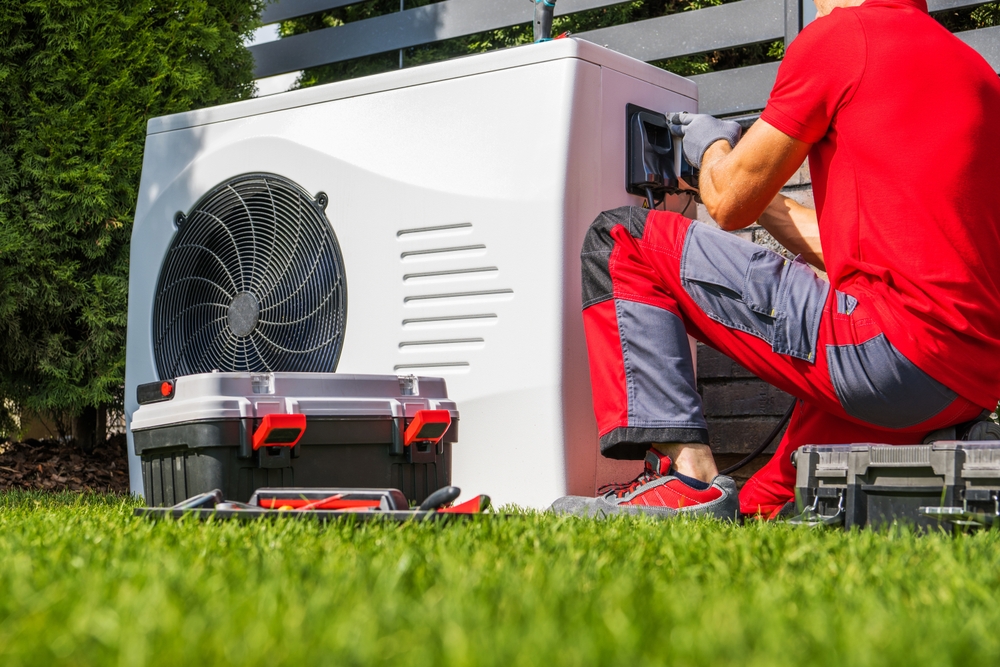
Pool equipment takes a beating during a hurricane, and not all of the damage is obvious. The most common post-storm equipment issues we see in Broward County are pump motor damage from debris or power surges, filter systems clogged beyond normal backwashing, automation system control board failures from electrical surges, and heater damage from flooding or debris impact.
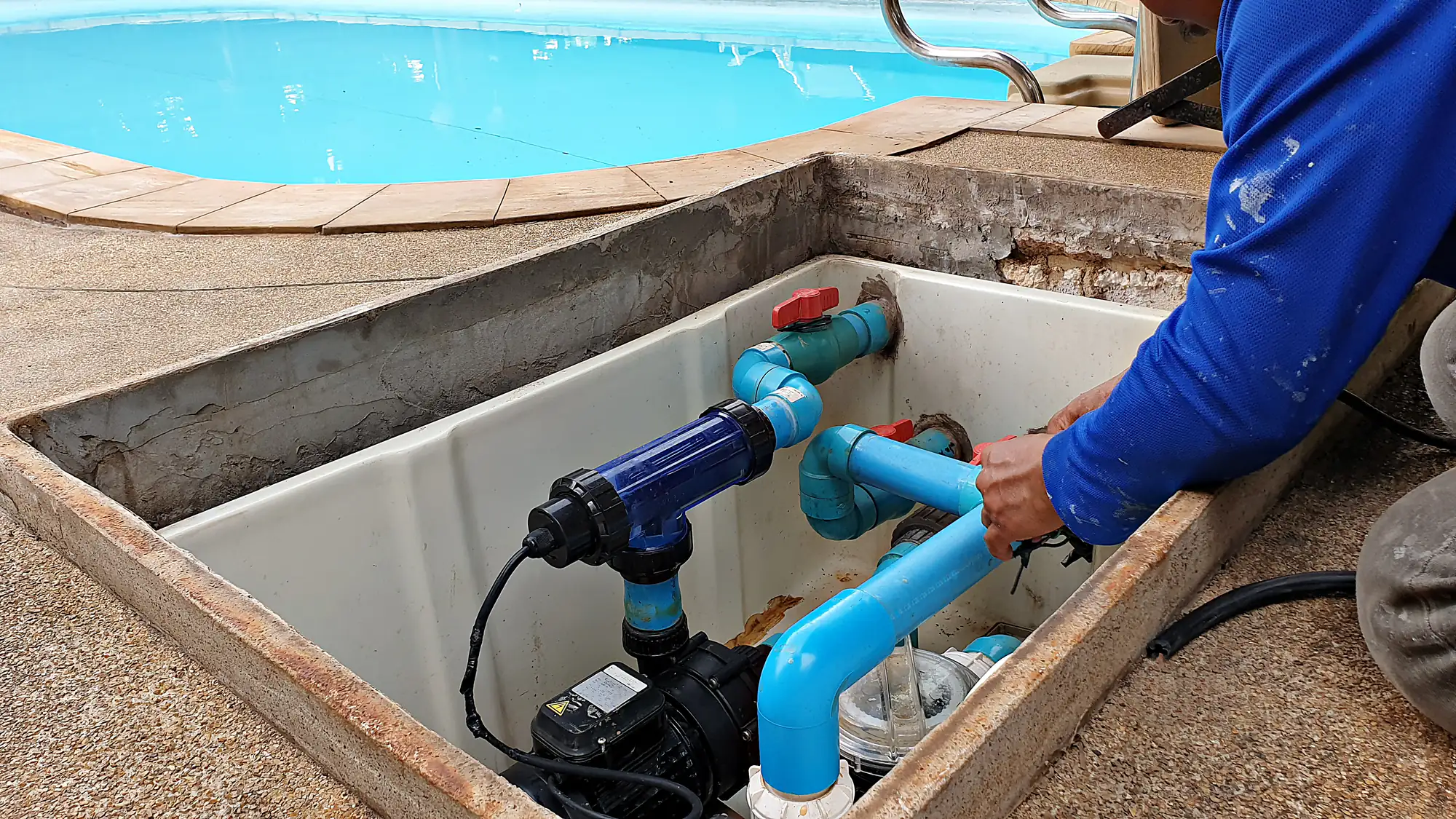
Before you restart your pump, clear the pump basket completely. Even small debris — leaves, twigs, dirt — can restrict flow enough to stress the motor. Check the area around your equipment pad for standing water or obvious physical damage. If anything looks bent, cracked, or flooded, don’t power it on until it’s been inspected. A pump that runs dry, or runs while partially blocked, can burn out the motor — and that’s an avoidable repair.
Power surges during storms are one of the leading causes of automation system failures. If your pool has a control system — a timer, a remote, or a full automation panel — check it carefully before assuming it’s fine. Sometimes the damage isn’t visible until you try to operate the system and nothing responds. If your automation system isn’t responding normally after the storm, the control board may have taken a hit.
Here’s something important for Broward County homeowners to understand: under Florida’s DBPR regulations (Chapter 489), structural, electrical, and plumbing work on a pool must be performed by a licensed contractor. That means if your hurricane inspection reveals damage to your pump’s electrical connections, your pool’s plumbing, or the structural shell, a DIY fix isn’t just risky — it may not be legal.
A licensed pool contractor can assess the full scope of damage and handle repairs correctly, which also matters if you’re filing a homeowner’s insurance claim and need documentation of what was found and what was done. At DCP Pool Services, our technicians are CPO-certified and our company holds a Florida contractor license (CPC-1460991), which means we can legally and safely handle the full range of post-hurricane work — from chemistry recovery and equipment repair to structural assessment.
We also offer 24/7 emergency service, because we know that post-storm problems don’t wait for Monday morning. If your pool needs attention after a storm and you want someone who can handle everything in one visit rather than coordinating multiple vendors during an already stressful week, that’s exactly what we’re set up to do.
Keep your pool full before the storm — not drained. Get your chemistry balanced early, protect your equipment from surges, store furniture somewhere other than the pool, and turn the pump off before the storm arrives. When it’s over, assess before you restart anything, test your water before you add chemicals, and treat promptly. The first 48 hours matter more than most homeowners realize.
Broward County’s climate — the shallow water table, the coastal exposure, the summer heat that accelerates everything — means the stakes here are a little higher than in most markets. The right preparation takes a couple of hours. The wrong preparation can mean weeks of recovery or an equipment repair bill you didn’t see coming.
If you want a professional set of eyes on your pool before storm season or after a storm passes, we at DCP Pool Services are based right here in Broward County and we’re available when you need us — including after hours. Reach out for a free quote and let’s make sure your pool is ready for whatever the season brings.
Article details:
Share:
Continue learning: