Smart pool technology is changing how Broward County homeowners manage their pools. Here's what app-controlled maintenance actually looks like — and why 2026 is the tipping point.
Share:

Summary:
If you own a pool in Broward County, you already know maintenance isn’t optional. Between the summer thunderstorms rolling through Coral Springs, the relentless UV index hammering Fort Lauderdale from June through September, and the algae that can turn a clean pool green in under a week — this is one of the most demanding pool environments in the country. What’s changed in 2026 is that you no longer have to manage all of that blindly. App-controlled pool systems are giving homeowners real visibility, real control, and a real reason to stop guessing about what’s happening in their backyard.
Smart pool maintenance combines automated equipment — variable-speed pumps, digital chemical monitors, connected lighting and heating systems — with a mobile app that lets you see and control everything from your phone. Instead of waiting for your weekly service visit to find out something’s off, you get real-time data: current pump status, water temperature, chemical readings, filter cycles. It’s less about replacing professional service and more about making that service dramatically more effective.
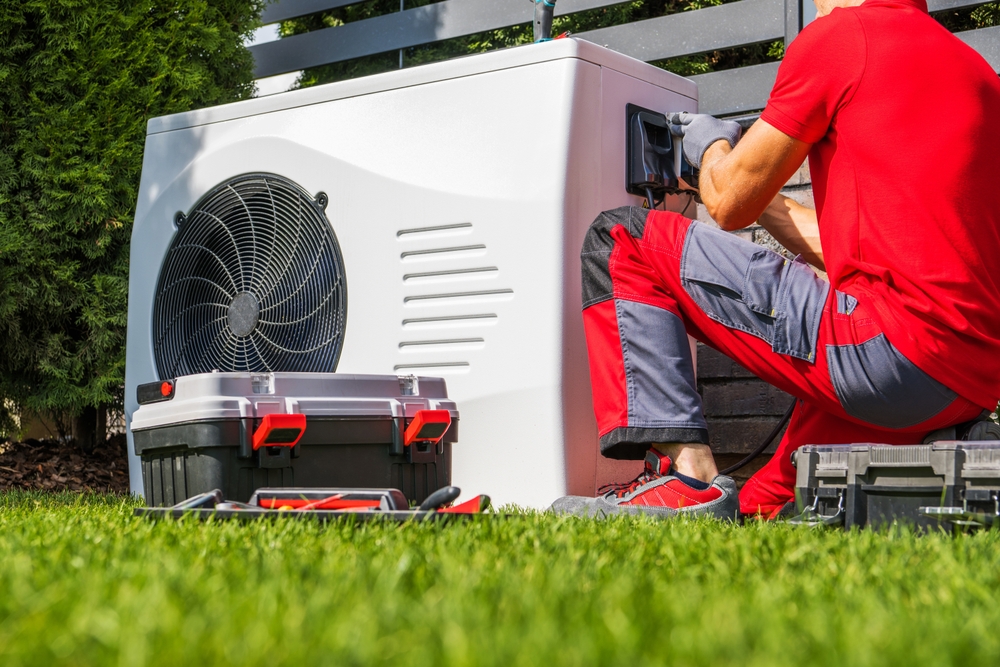
The technology itself isn’t new, but the accessibility is. Platforms like Hayward’s OmniLogic, Pentair’s IntelliConnect, and Jandy’s iAquaLink have made app-controlled pool systems practical for everyday homeowners — not just resort properties or custom builds. In 2026, we can retrofit these systems onto existing pools in Broward County, which means you don’t need to have built your pool last year to benefit from them.

Here’s the thing about maintaining a pool in South Florida that most people outside the region don’t fully appreciate: the conditions here are relentless. Broward County averages 62 to 65 inches of rainfall per year, with the bulk of it hitting between June and September. A single heavy afternoon storm — the kind that rolls through Pembroke Pines or Weston on a Tuesday without warning — can dilute your pool’s chemical balance enough to create a problem by the weekend. Add in UV index levels that regularly hit 10 or 11 during summer, which accelerates chlorine breakdown faster than almost anywhere else in the country, and you start to understand why pools here need more consistent attention than a once-a-week visit can always provide.
Smart monitoring systems address this directly. Continuous chemical sensors track chlorine levels, pH, and other key parameters in real time rather than waiting for a technician to test the water manually once a week. When a rainstorm throws off your chemistry, the system flags it immediately. When your pump cycles need adjustment based on actual usage patterns, the app handles it automatically. For homeowners in coastal communities like Fort Lauderdale Beach or Dania Beach, where salt air accelerates corrosion of pool equipment, remote monitoring also means early detection of equipment stress before it becomes a repair call.
For the growing number of Broward County homeowners who travel frequently or own a second home here seasonally — the Weston families who head north for a few weeks, the snowbirds who leave their Hollywood or Hallandale Beach properties from May through October — app-controlled systems offer something that was genuinely impossible before: the ability to verify that your pool is being maintained properly while you’re not there to see it yourself. That accountability gap, the “did they actually show up?” question that drives so much frustration in this industry, gets answered in real time.
This is the question most Broward County homeowners ask once they get past the “that sounds interesting” stage, and the answer is genuinely yes — with some important context. Variable-speed pool pumps, which are the backbone of any smart pool system, are among the most impactful energy upgrades a Florida homeowner can make. Pool pumps are one of the highest energy-consuming appliances in a South Florida home, running year-round against Florida Power & Light rates with no off-season break. Variable-speed models optimize their run times based on actual conditions rather than running at full power on a fixed schedule, and the documented payback period on energy savings alone is typically one to two years.
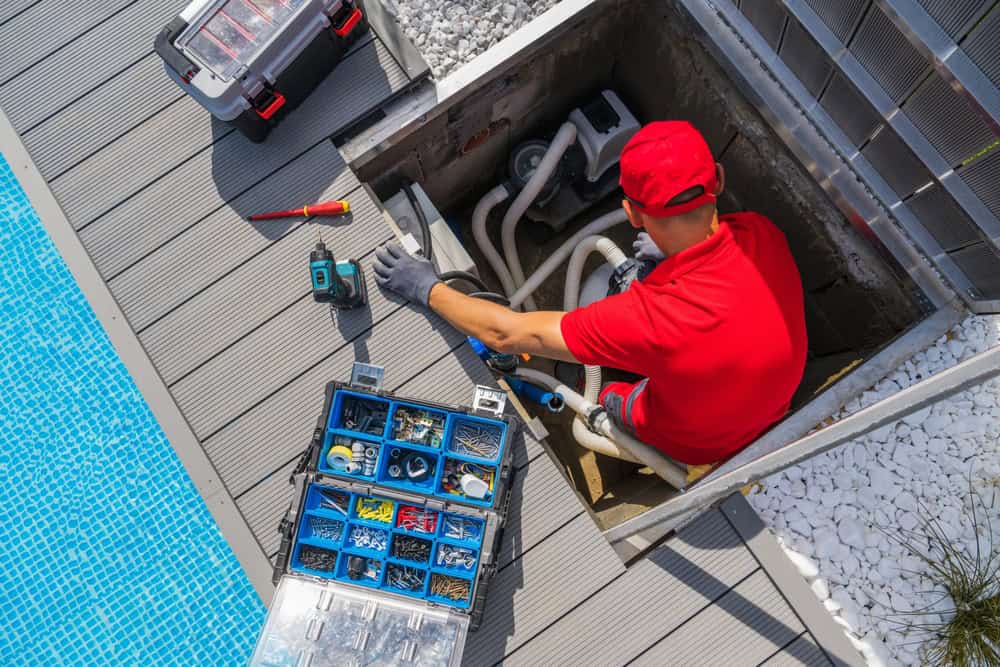
Beyond energy, the repair cost angle is worth understanding clearly. Pool equipment that’s monitored continuously tends to last longer than equipment that only gets checked once a week. Small problems — a filter running under pressure, a pump bearing starting to wear, a chemical imbalance that’s slowly etching your pool surface — get caught early when you have real-time data. The alternative is finding out about those problems when they become emergencies, which in a post-pandemic construction market where metal prices for pool components are up significantly, means expensive repairs at the worst possible time. Pools built during the 2020 to 2022 construction surge in Broward County are now four to five years old — right at the age where pumps, filters, and surfaces begin to show their first signs of wear. Smart monitoring is particularly valuable for that generation of pools.
What smart technology doesn’t do is replace the judgment, physical cleaning, and hands-on expertise that professional maintenance provides. Sensors can tell you your pH is off; they can’t brush algae off your tile or backwash a clogged filter. The right approach is a combination — app-controlled systems working alongside consistent, professional service from technicians who know what they’re looking at.
Want live answers?
Connect with a DCP Pool Services expert for fast, friendly support.
Technology aside, the foundation of a well-maintained pool is still a qualified technician showing up consistently and doing the work correctly. In Broward County’s market, that’s less of a given than it should be. Homeowner reviews across Florida consistently document the same problems: service providers charging for visits that never happened, pools left with dangerous chemical imbalances, equipment issues ignored until they become failures. The gap between a legitimate pool maintenance company and an unreliable one isn’t always obvious from a website — but it shows up fast in your water quality.
We hold the Certified Pool/Spa Operator (CPO®) certification, issued by the Pool & Hot Tub Alliance — the world’s leading verifiable pool and spa training credential. In Florida, this certification is required by law under Chapter 64E-9 for public pool operators, and it reflects a standard of chemical knowledge, equipment understanding, and regulatory awareness that not every local company meets. Our Florida contractor license number, CPC-1460991, is publicly listed and verifiable through the state’s DBPR. These aren’t just credentials for a wall — they’re the baseline for doing this work safely and correctly.
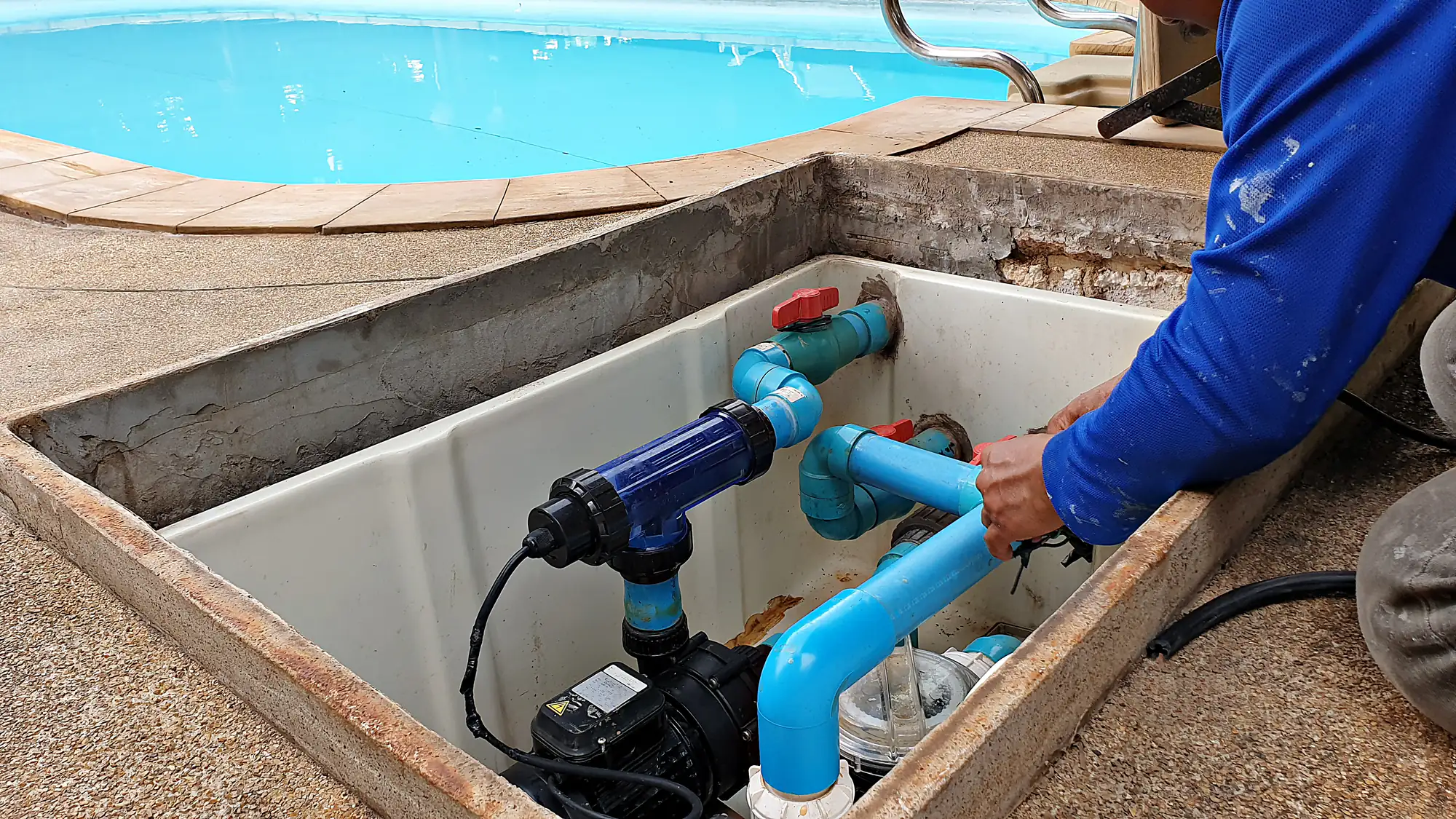
A pool pump is the heart of your circulation system, and when it starts to fail, everything downstream suffers — filtration, chemical distribution, water clarity. Pool pump repair isn’t a single job; it depends entirely on what’s wrong and how long the problem has been developing. Common issues include motor failures, impeller clogs, seal leaks, and capacitor problems, each with different repair approaches and cost implications. In some cases, repair makes sense. In others — particularly for older single-speed pumps — replacement with a variable-speed model is the more economical long-term decision given the energy savings.
What matters most in the repair process is accurate diagnosis before any work begins. A technician who listens to the pump, checks the motor amperage, inspects the seal plate, and traces the issue back to its source will give you a clear picture of what’s actually wrong and what it will cost to fix it. That’s how we approach every pool pump repair call in Broward County — with a full assessment first, upfront pricing before any work starts, and no pressure to approve repairs you don’t need.
For homeowners in HOA-governed communities like Coral Springs or Weston, where pool appearance standards are written into community rules, a failing pump isn’t just an inconvenience — it’s a compliance issue. Cloudy water, poor circulation, and visible algae growth can all trace back to a pump that’s underperforming. Catching those early through regular maintenance and smart monitoring is far less disruptive than dealing with a full pump failure mid-summer.
This is one of the most common questions we hear, and the honest answer for South Florida is: more often than most homeowners expect when they first move here from a northern state. The combination of year-round use, intense UV exposure, heavy summer rainfall, and warm temperatures that promote algae growth means that Broward County pools operate under constant pressure. A pool that’s perfectly balanced on Monday can be noticeably off by Thursday after a series of afternoon storms. Weekly professional service isn’t a luxury here — it’s the maintenance interval the environment actually demands.
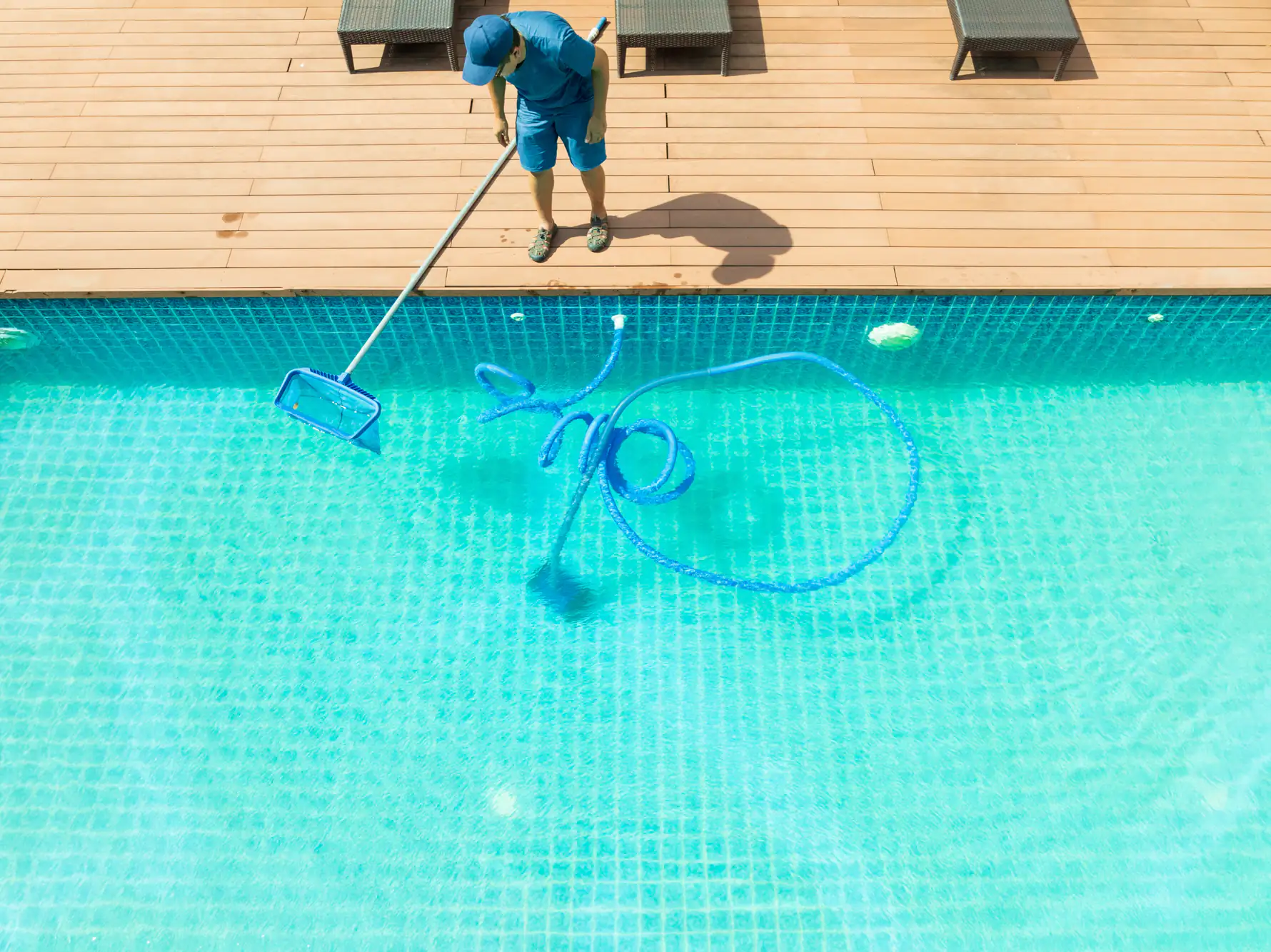
What “professional maintenance” means in practice goes beyond what most homeowners picture. It’s not just skimming the surface and adding a few chemicals. A proper weekly visit includes water testing with calibrated equipment, chemical adjustment based on actual readings rather than guesswork, vacuuming with equipment capable of removing fine particles that standard tools miss, brushing walls and tile to prevent algae from taking hold, checking and cleaning the filter, and a visual inspection of equipment for anything that looks off. Our team uses microfiltration-equipped vacuums that remove particles standard equipment leaves behind — the kind that cloud water and create conditions for algae growth even when chemical levels look acceptable.
For homeowners who are weighing whether to handle maintenance themselves, the math is worth considering honestly. The annual cost of chemicals, equipment, and supplies for a typical Florida pool runs around $900 per year at minimum — and that’s before accounting for the time, the learning curve, and the cost of getting it wrong. A single green pool remediation event, requiring shock treatment, algaecide, and multiple service visits, typically costs more than several months of weekly professional service. We offer customizable maintenance plans so you’re paying for what your pool actually needs, not a one-size-fits-all package that doesn’t fit your situation or your budget.
Smart pool technology is genuinely changing what’s possible for Broward County homeowners — more visibility, better energy efficiency, earlier detection of problems, and real accountability from your service provider. But the technology only works as well as the people behind it. App-controlled systems paired with inconsistent, uncertified service still produce bad outcomes.
What you’re really looking for is a company that shows up when they say they will, communicates clearly, prices honestly, and has the training to handle whatever your pool needs — from routine weekly maintenance to pump repairs to resurfacing. That’s the standard we hold ourselves to, and it’s backed by our CPO certification, our state contractor license, and a satisfaction guarantee that means something.
If your pool in Broward County isn’t where you want it to be — or you’re curious about what a smart pool upgrade could actually look like for your specific setup — reach out to DCP Pool Services. We’re local, we’re licensed, and we’re straightforward about what we can do for you.
Article details:
Share:
Continue learning: